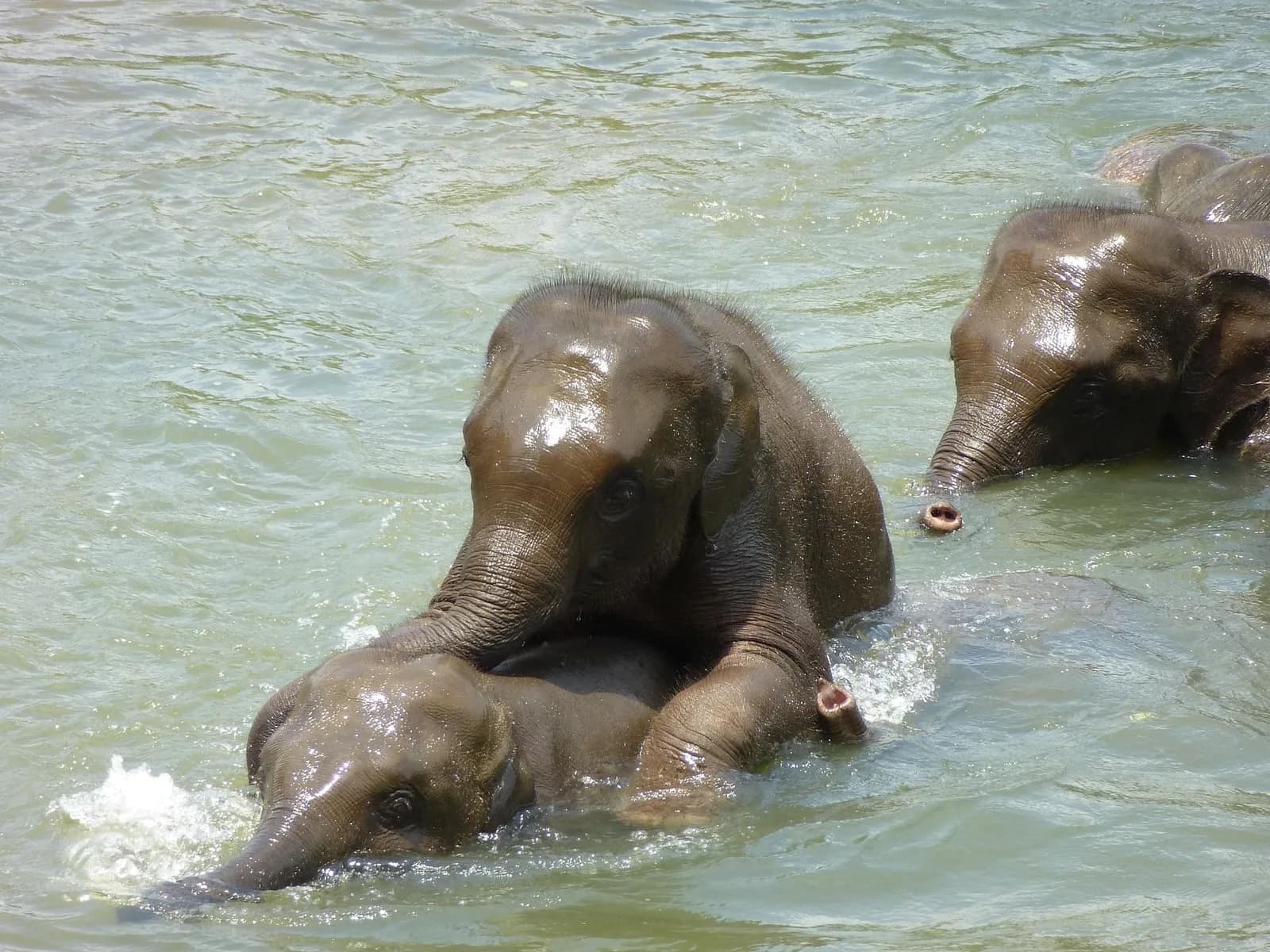
The engine cuts. Across the dust-red tracks of southern Sri Lanka, the dry-zone scrub falls into profound silence. The only sound is the rhythmic rustle of dry leaves and the distant, melodic whistle of a white-browed bulbul. Then, thirty paces away, a six-tonne matriarch steps silently into the clearing. Her skin is dark slate, mottled with delicate pink depigmentation across her sweeping ears. Behind her, half-concealed beneath her towering stride, a three-month-old calf mimics her every movement, curling its miniature trunk around a tender tuft of guinea grass.
There are no iron chains. No performance arenas. No painted wooden saddles. This is the wild heart of Sri Lanka — an island home to the highest density of Asian elephants on Earth, where wild elephant families have roamed free across ancient forest corridors for millennia.
Quick Answer for Travellers
For guaranteed, year-round wild elephant sightings with high herd densities, Udawalawe National Park is the undisputed best destination in Sri Lanka. For the world-famous seasonal spectacle of 200+ congregating elephants, visit Minneriya or Kaudulla National Park between July and September. For an all-round wildlife safari combining elephants with leopards and sloth bears, choose Yala National Park.
1. The Sri Lankan Elephant: Key Facts & Ecology
The Sri Lankan elephant (Elephas maximus maximus) is one of three recognized subspecies of the Asian elephant and is native exclusively to the island. Protected under the Fauna and Flora Protection Ordinance of Sri Lanka and classified as Endangered on the IUCN Red List, the country holds an estimated population of 5,800 to 6,500 wild elephants.
2. Where to See Elephants in Sri Lanka: Park-by-Park Guide
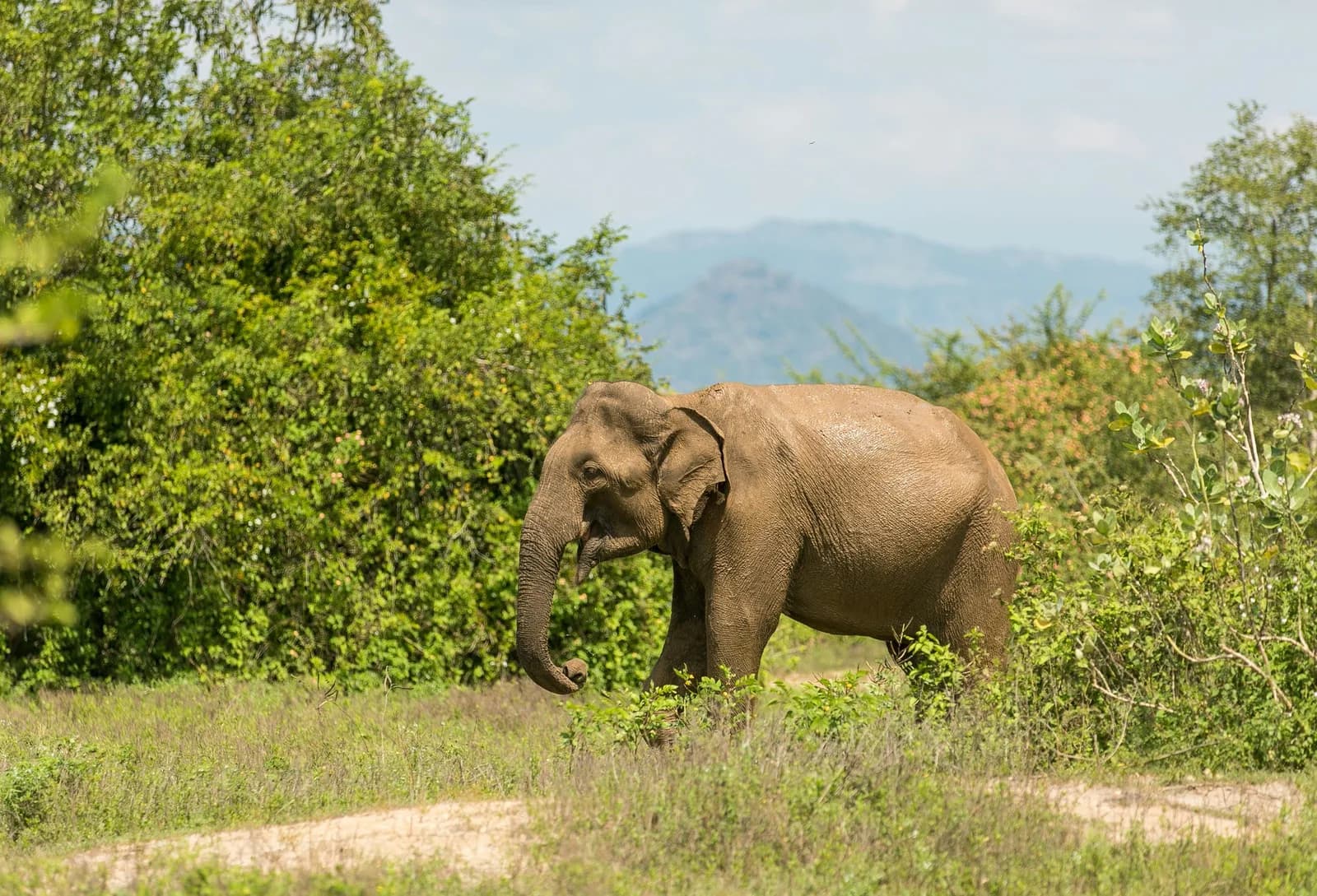
While Sri Lanka possesses over 26 national parks, four core ecosystems deliver the most rewarding wild elephant encounters.
Udawalawe National Park: The Year-Round Haven
Surrounding a vast 30,821-hectare reservoir built in 1972, Udawalawe is widely regarded as one of the most reliable places on Earth to observe wild Asian elephants in any month of the year. Its open savanna-like grasslands provide clear, unobstructed sightlines where family herds graze, dust-bathe, and splash in shallow mud-wallows.
Minneriya & Kaudulla: The Great Elephant Gathering
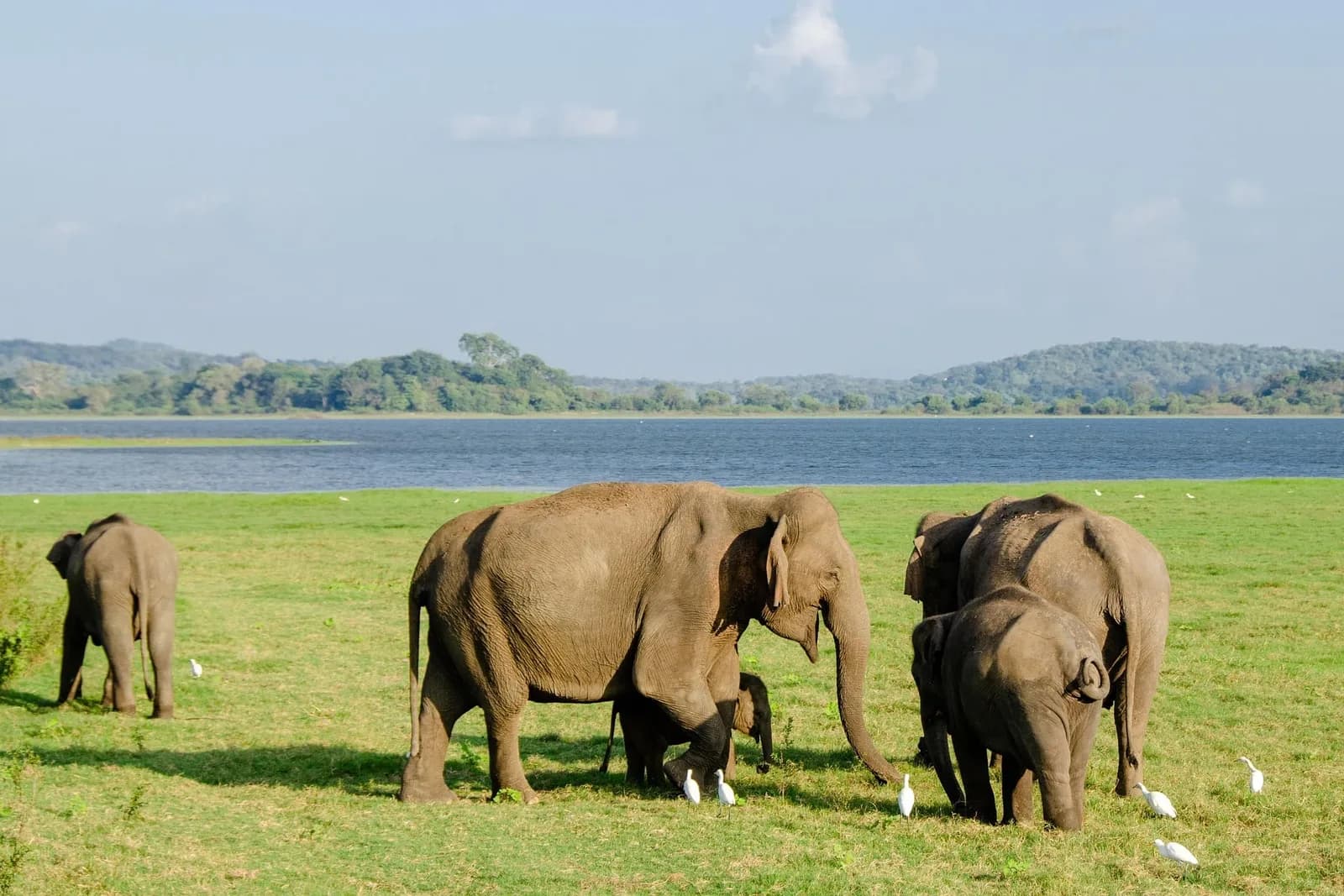
Between July and September, the receding waters of the 3rd-century Minneriya reservoir expose nutrient-rich sprout grasses. This triggers 'The Gathering' — a natural congregation of 150 to 300+ elephants drawn together from across the north-central forests to feed, socialize, and mate, recognized globally as one of Asia's most spectacular wildlife phenomena.
Yala National Park: The Big Game Wilderness
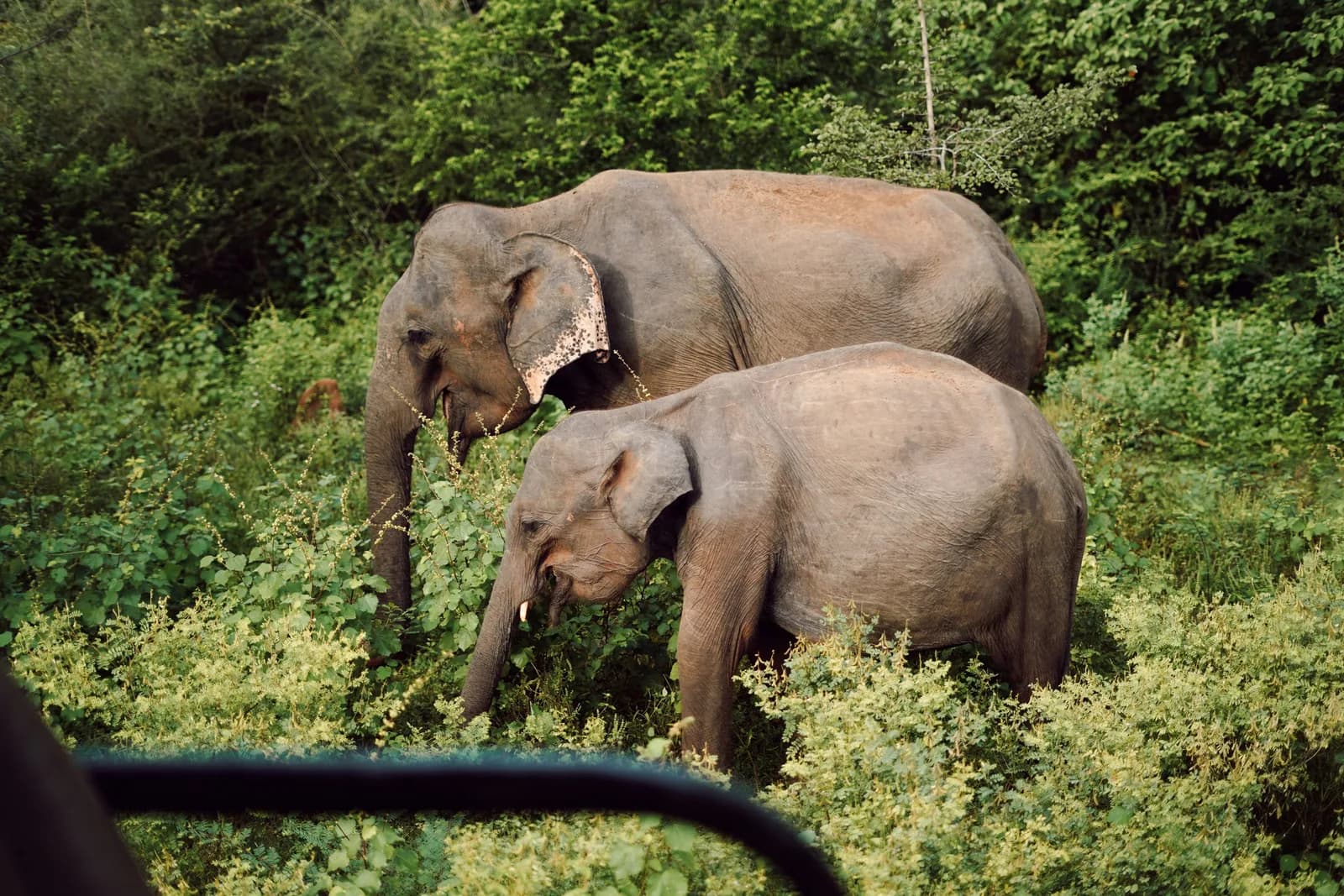
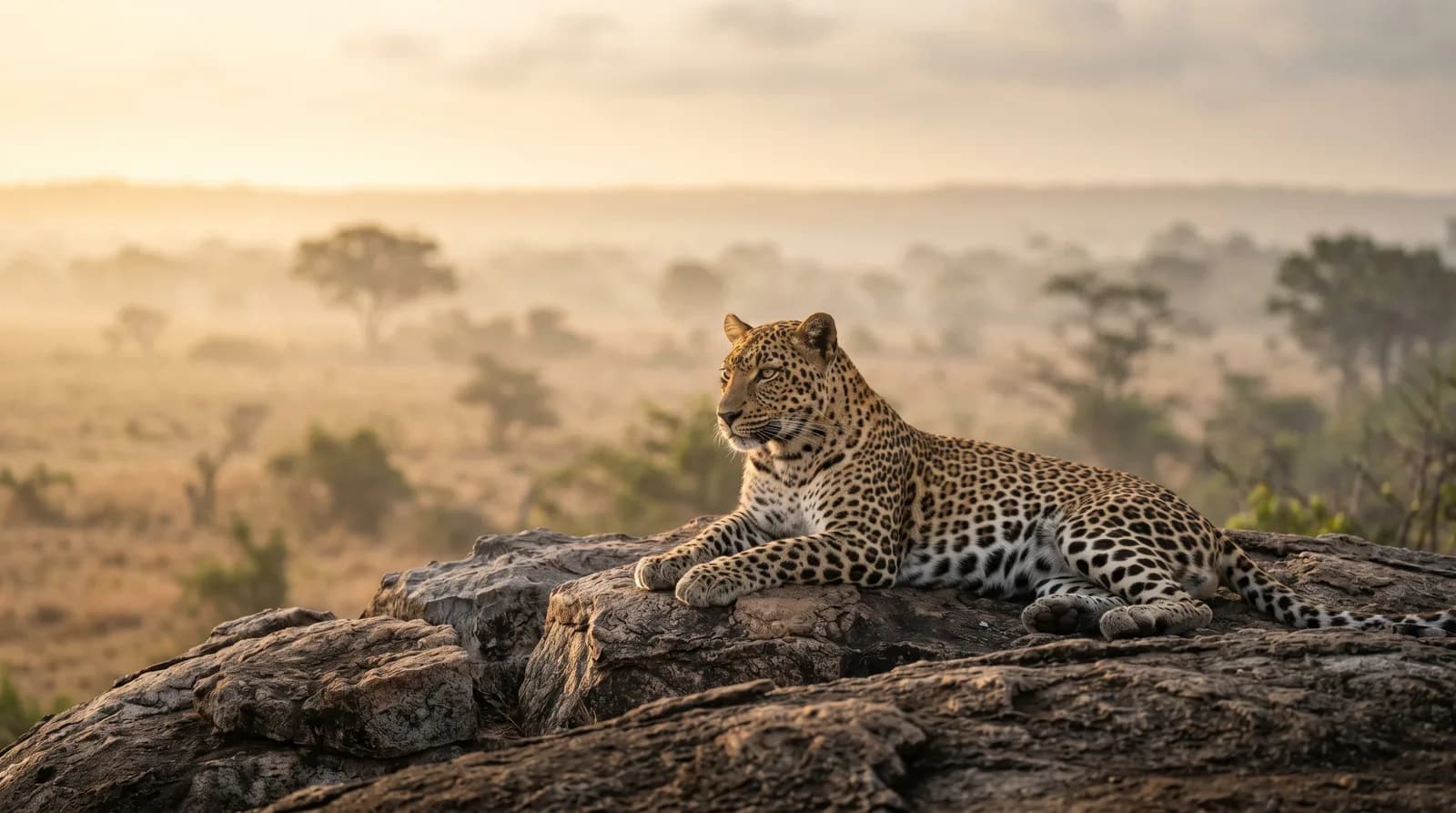
Yala is famous for having one of the world's highest densities of wild leopards (Panthera pardus kotiya). While solitary bull elephants and smaller herds frequent the park's lagoons and scrub forests, Yala is best suited for travellers seeking a diverse multi-species safari combining elephants with leopards, sloth bears, and crocodiles.
Gal Oya National Park: The Swimming Elephants
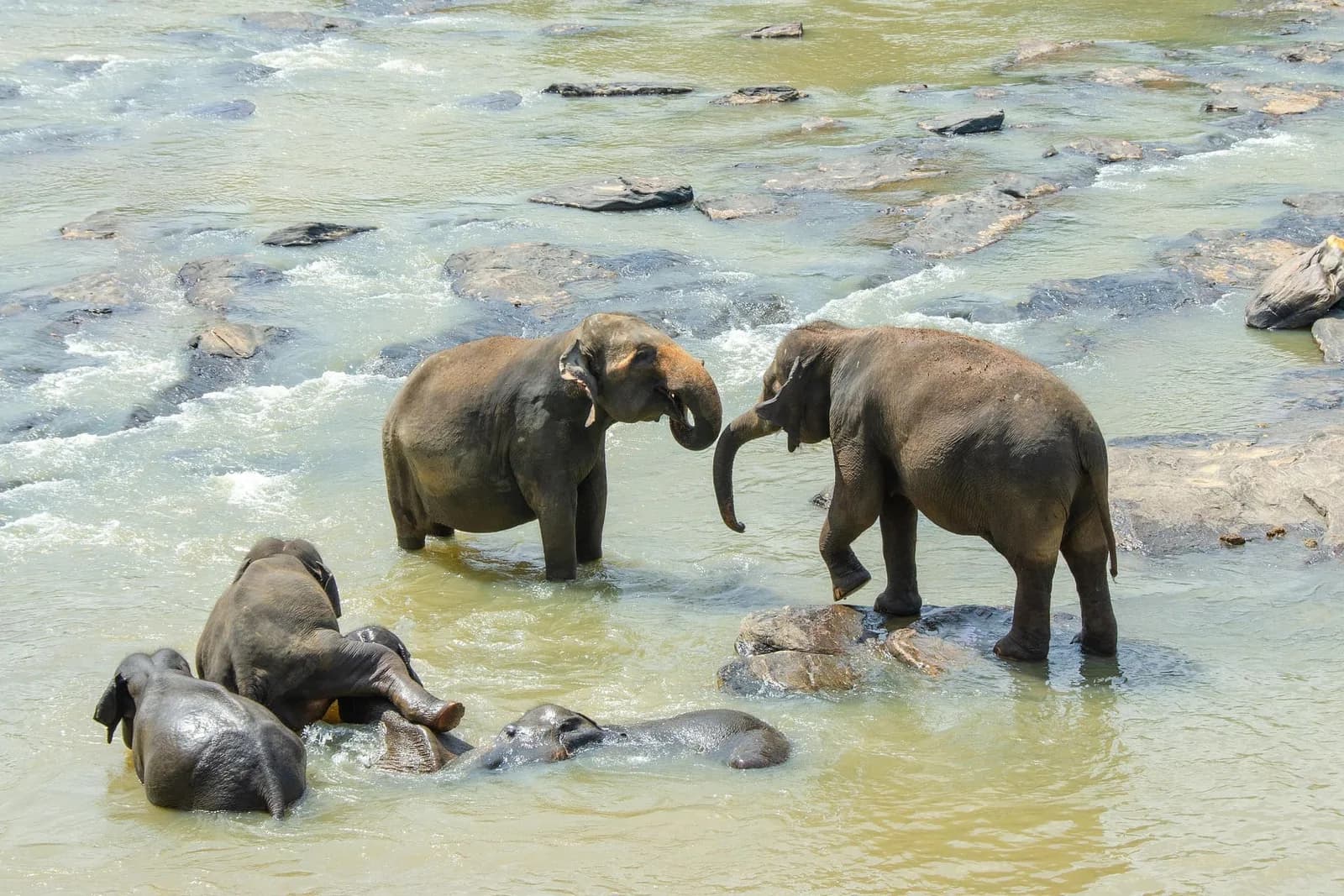
For an off-the-beaten-track adventure, Gal Oya offers boat safaris on the Senanayake Samudraya reservoir. Travellers can watch wild elephants swim between jungle islands, using their trunks as natural snorkels in absolute tranquility with minimal vehicle traffic.
3. Safari Park Comparison Matrix
| National Park | Primary Focus | Sighting Probability | Herd Dynamics | Best Travel Months | Recommended For |
|---|---|---|---|---|---|
| Udawalawe | Pure Elephant Safari | 99% (Year-Round) | Family herds & calves | All Year (Peak Dec–Apr & Jun–Sep) | First-timers, families, photographers |
| Minneriya | The Gathering | 95% (Seasonal) | Massive groups (100–300+) | July to September | Wildlife enthusiasts, spectacle seekers |
| Kaudulla | Gathering Alternative | 90% (Seasonal) | Social herds (80–180+) | August to December | Low-density gathering viewing |
| Yala (Block 1) | Multi-Species Safari | 75% (Mixed) | Solitary bulls & small groups | February to June | Big game & leopard seekers |
| Gal Oya | Reservoir Boat Safari | 65% (Scenic) | Island foraging & swimming | March to October | Honeymooners, luxury eco-lodges |
4. Wildlife Ethics: Why Observation Beats Physical Interaction
True luxury in wildlife travel is defined by non-intrusive respect. Physical interactions such as tourist riding, hand-bathing, or petting require elephants to undergo captive conditioning and dominance training. When you witness wild elephants interacting on their own terms from a safe 30-metre distance in a private 4x4 cruiser, the experience is incomparably more profound, authentic, and emotionally moving.
Zelenso Wildlife Welfare Standard
Zelenso Travel strictly excludes elephant riding, chained animal shows, and commercial hands-on bathing from all our tailor-made itineraries. We exclusively support wild national park safaris and scientifically certified rehabilitation sanctuaries.
5. Pinnawala vs. Elephant Transit Home (ETH) Udawalawe
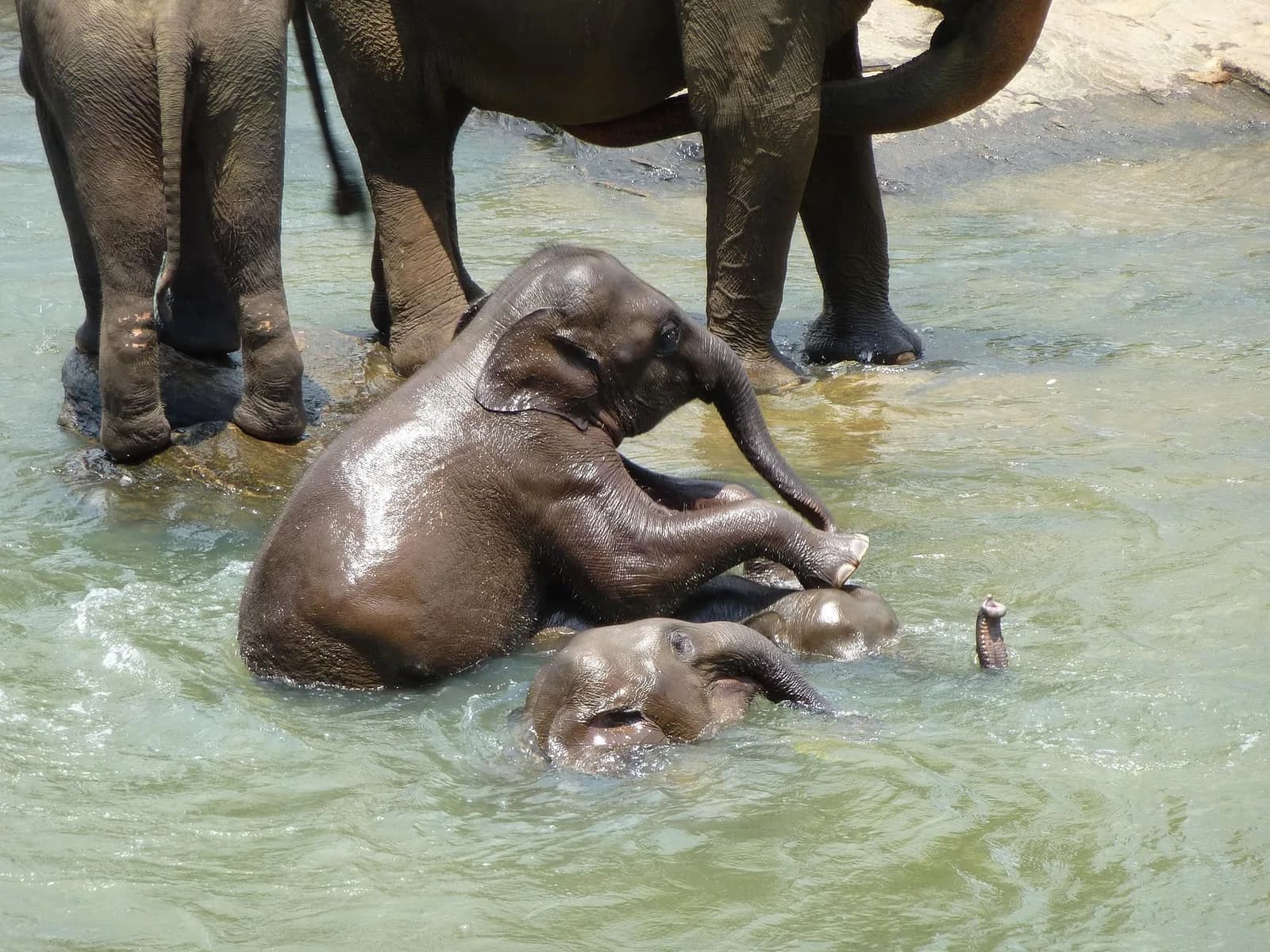
While Pinnawala operates as a commercial attraction where captive elephants remain in lifetime confinement for tourist viewing, the Elephant Transit Home (ETH) in Udawalawe is globally recognized by conservationists. At ETH, orphaned wild calves are rehabilitated with minimal human contact and milk-fed from a distant timber platform until they are strong enough to be released 100% back into the wild.
6. Frequently Asked Questions
Are there wild elephants in Sri Lanka?▼
Yes. Sri Lanka is home to an estimated 5,800 to 6,500 wild Asian elephants (Elephas maximus maximus), representing the highest population density of Asian elephants in the world.
Where is the best place to see elephants in Sri Lanka?▼
For guaranteed year-round sightings of wild herds, Udawalawe National Park is the best choice. For the world-famous seasonal congregation of 200+ elephants, visit Minneriya National Park between July and September.
What is the difference between Yala and Udawalawe for elephants?▼
Udawalawe is a specialized elephant park with open grasslands and a 99% probability of seeing large family herds on every drive. Yala offers a broader multi-species safari with leopards and bears, but elephant herds are smaller and more dispersed.
When is the Minneriya Elephant Gathering?▼
The Minneriya Elephant Gathering takes place during the dry season between July and September, peaking in August when up to 300 elephants congregate around the drying Minneriya reservoir bed.
Is Pinnawala Elephant Orphanage ethical?▼
Pinnawala is a captive facility where elephants are tethered with chains and maintained in captivity for tourist viewing. Ethical travel operators recommend the Elephant Transit Home in Udawalawe instead, which rehabilitates and releases orphaned calves into the wild.
Can tourists touch, ride, or bathe elephants in Sri Lanka?▼
No ethical travel provider supports touching, riding, or bathing elephants. Respectful observation of free-roaming wild herds on safari is the gold standard of ethical wildlife travel.
7. Plan Your Custom Wildlife Safari with Zelenso
Every Zelenso journey is 100% tailor-made, featuring SLTDA-certified chauffeur-guides, private luxury 4x4 safari vehicles, handpicked eco-tented lodges, and flexible pacing tailored to your travel style. Whether you are planning a family holiday, romantic honeymoon, or private photography expedition, our local concierges curate seamless journeys across Sri Lanka.