Kumana National Park Mangrove Bird Sanctuary Safari
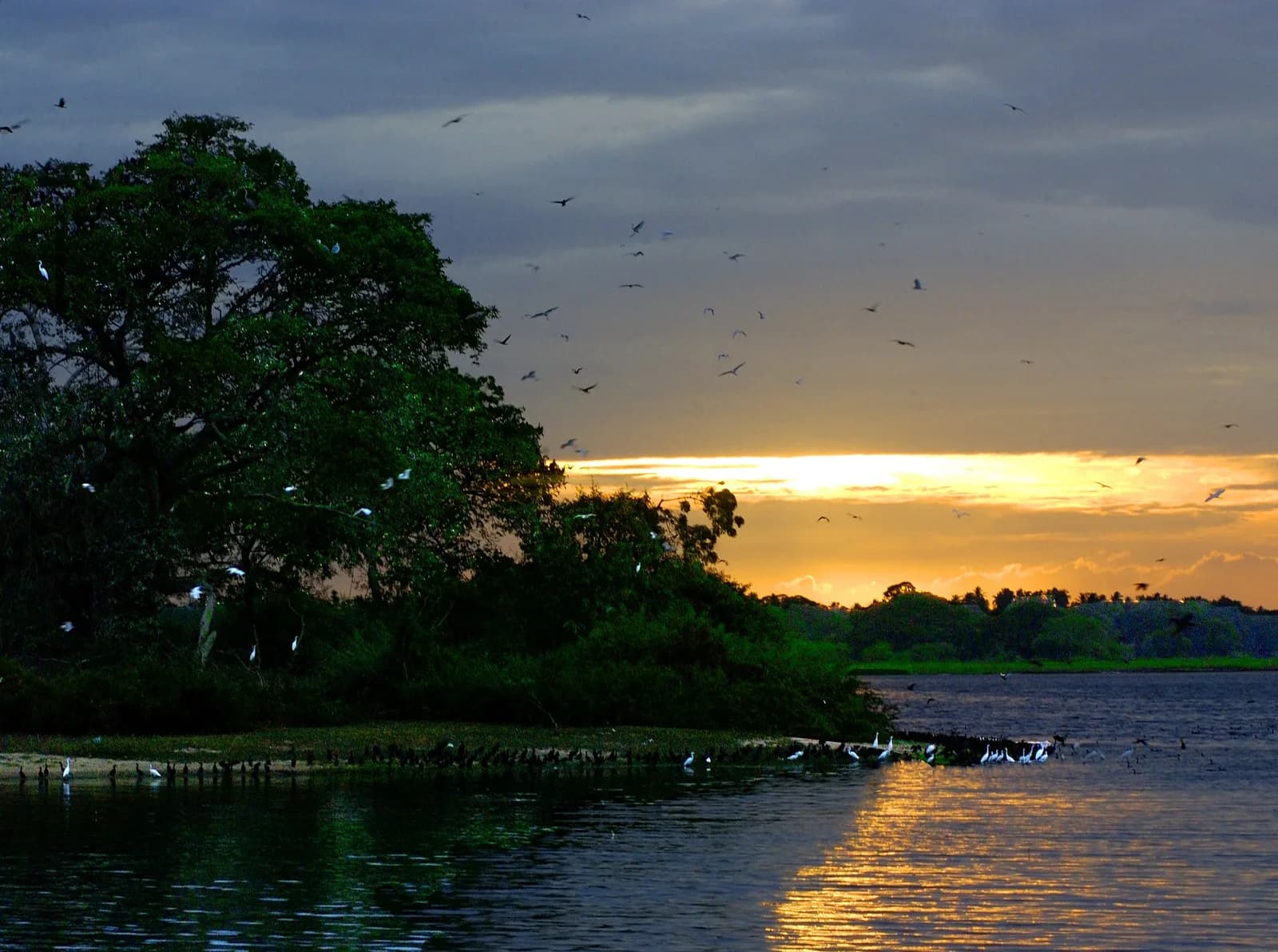
Kumana National Park (formerly Yala East) is one of the most prolific bird sanctuaries in South Asia. At its core lies the Kumana Villu, a 200-hectare mangrove swamp where tens of thousands of waterbirds—including rare black-necked storks, spot-billed pelicans, and painted storks—arrive annually between May and July to nest and raise their young.
- Location
- Eastern coast, 25 km south of Arugam Bay / Panama
- Size
- 35,664 hectares of coastal dry zone and wetlands
- Core Sanctuary
- Kumana Villu (200-hectare natural mangrove swamp)
- Nesting Peak
- May to July annually
What makes Kumana Villu such a spectacular breeding ground?
Kumana Villu is fed by the Kumbukkan Oya river before it meets the sea. Dense groves of half-submerged mangrove trees (Sonneratia caseolaris) create thousands of protected natural nesting platforms safe from terrestrial predators.
During breeding season, the canopy becomes a bustling avian metropolis with thousands of nests. Visitors in open safari vehicles can observe parent birds fishing in the shallow waters, feeding chicks, and performing elaborate courtship displays against the dramatic backdrop of coastal sand dunes.
What other wildlife and cultural ruins can you discover?
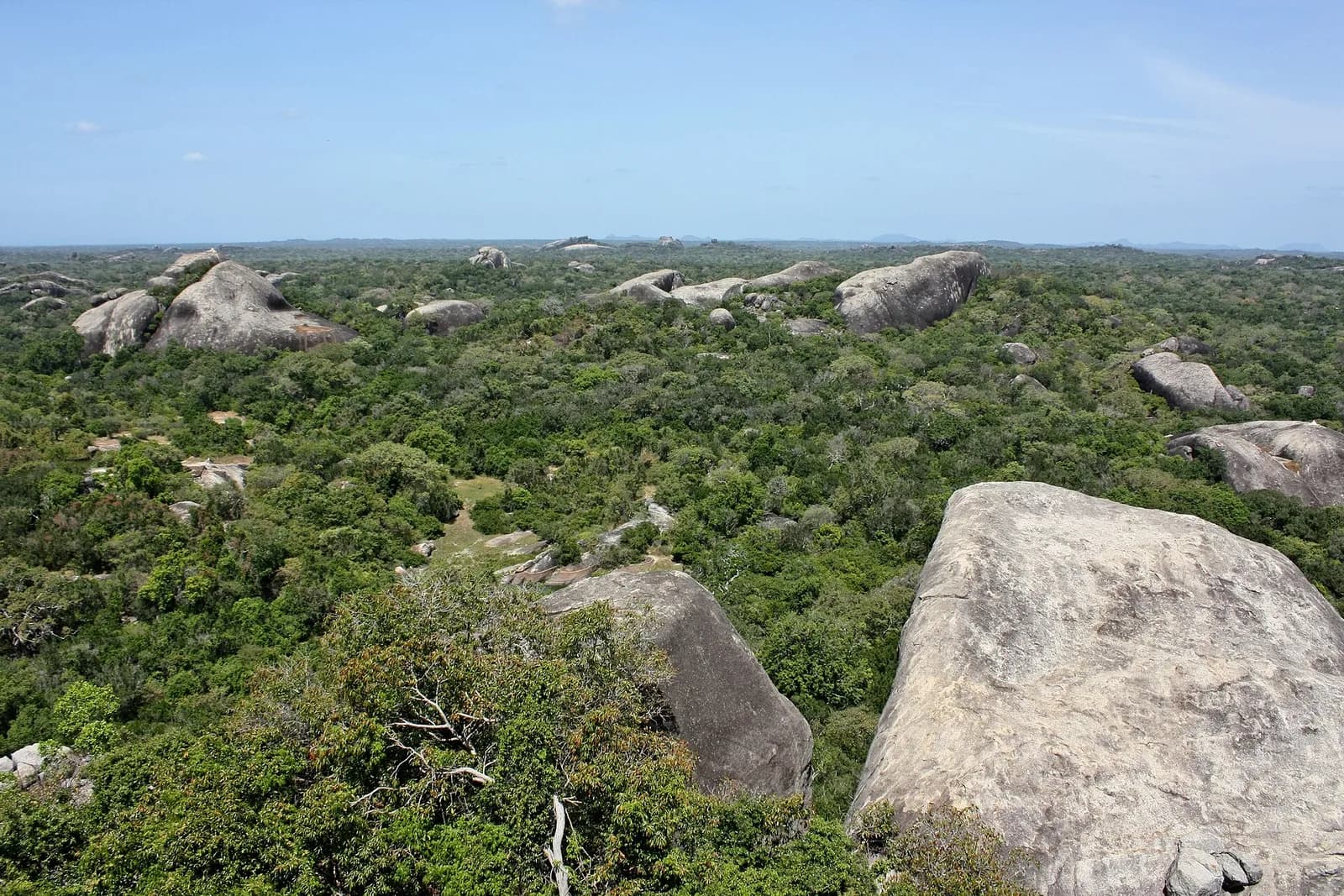
Because Kumana borders Yala National Park across the Kumbukkan Oya, it shares the same rich biodiversity. Sightings of leopards stalking across rocky outcrops, sloth bears digging for roots, and wild elephant herds drinking at waterholes are common, with far fewer vehicles than western Yala.
Deep within the park lie ancient Buddhist monastic ruins such as Bambaragasthalawa, featuring ancient Brahmi stone inscriptions and a 9-metre reclining rock Buddha statue carved over a thousand years ago.
Practical tips before you go
- May and June offer the most breathtaking spectacle as thousands of chicks hatch in the mangrove canopy.
- A full-day safari departing from Arugam Bay or Panama allows time to explore both the inner villus and coastal sand dunes.
- Combine your safari with a stop at Okanda Devalaya shrine near the park entrance gate.
- Bring quality binoculars and telephoto camera lenses for detailed nesting shots from designated viewing points.
Frequently asked questions
How far is Kumana from Arugam Bay?
Kumana's entrance gate is approximately 30 kilometres south of Arugam Bay, reachable in 45 minutes along a scenic coastal road passing traditional fishing hamlets.
Is Kumana only interesting for birdwatchers?
Not at all. Kumana is a complete wilderness destination with wild elephants, leopards, sloth bears, pristine coastal beaches, and ancient archaeological ruins that appeal to any nature lover.

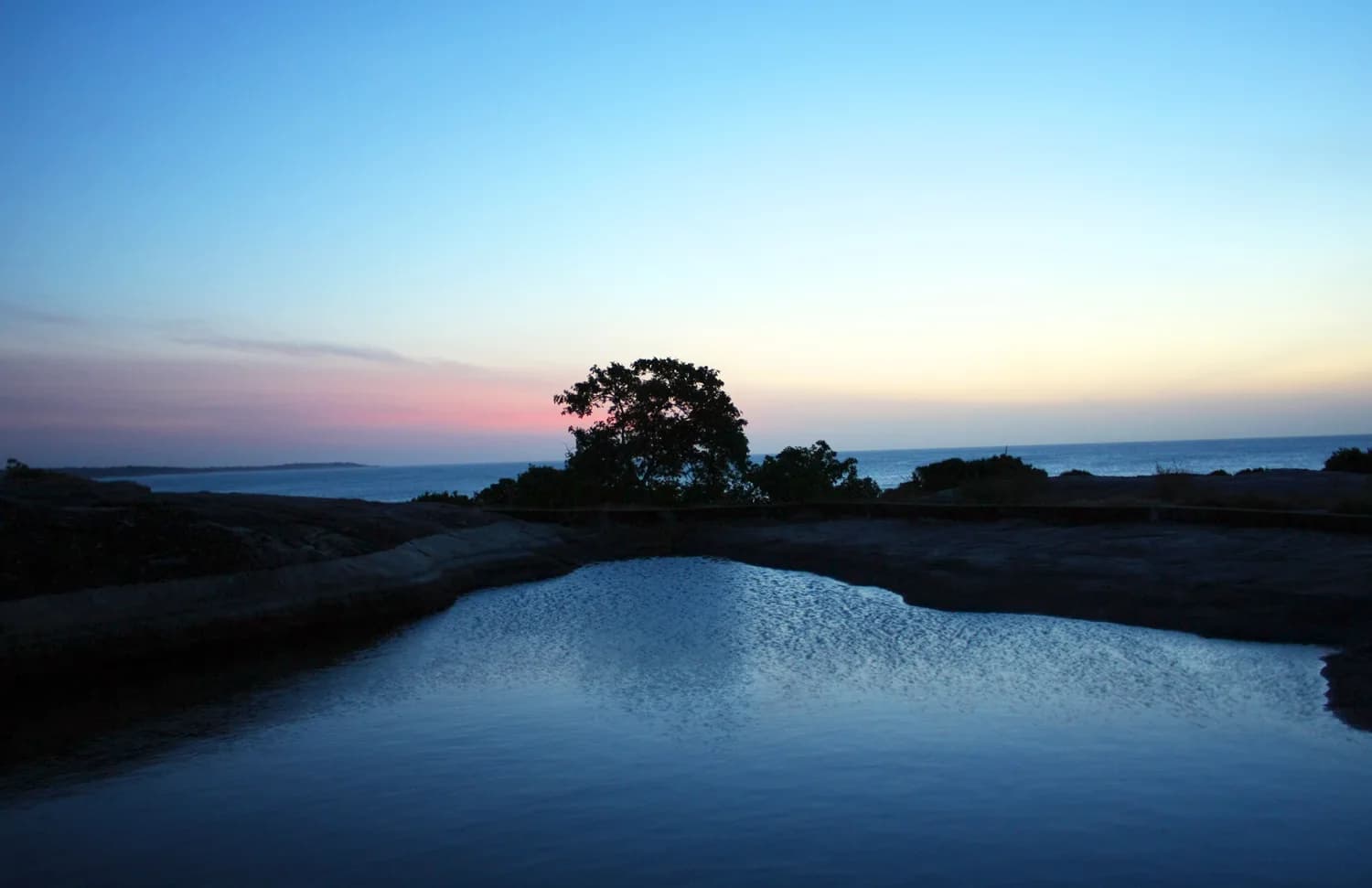
April – July (peak nesting season)
Discover your next Sri Lanka adventure
From ancient sacred temples and misty tea highlands to serene golden sunsets, let our experts curate your perfect private island journey.