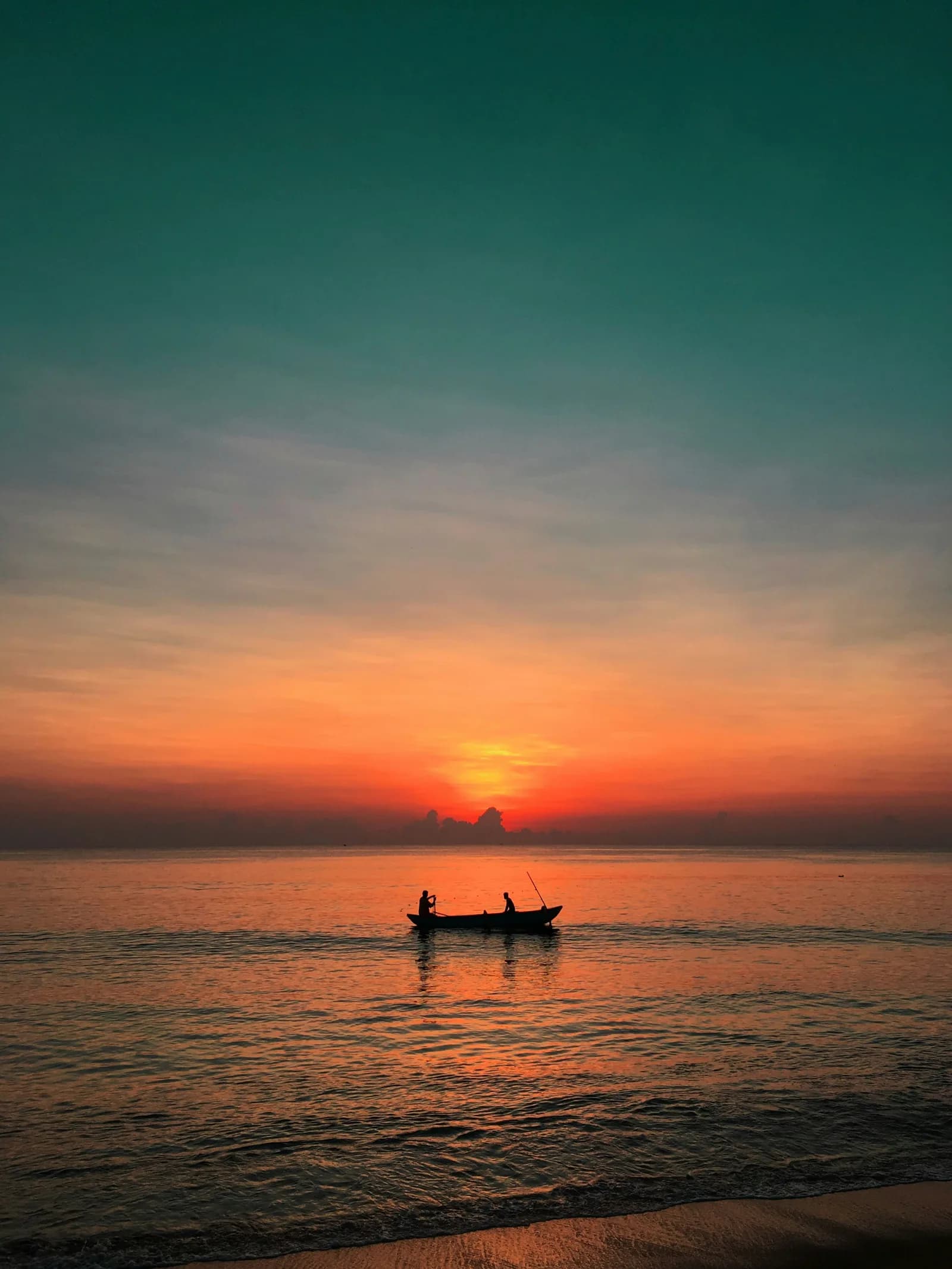
Madu Ganga River Safari
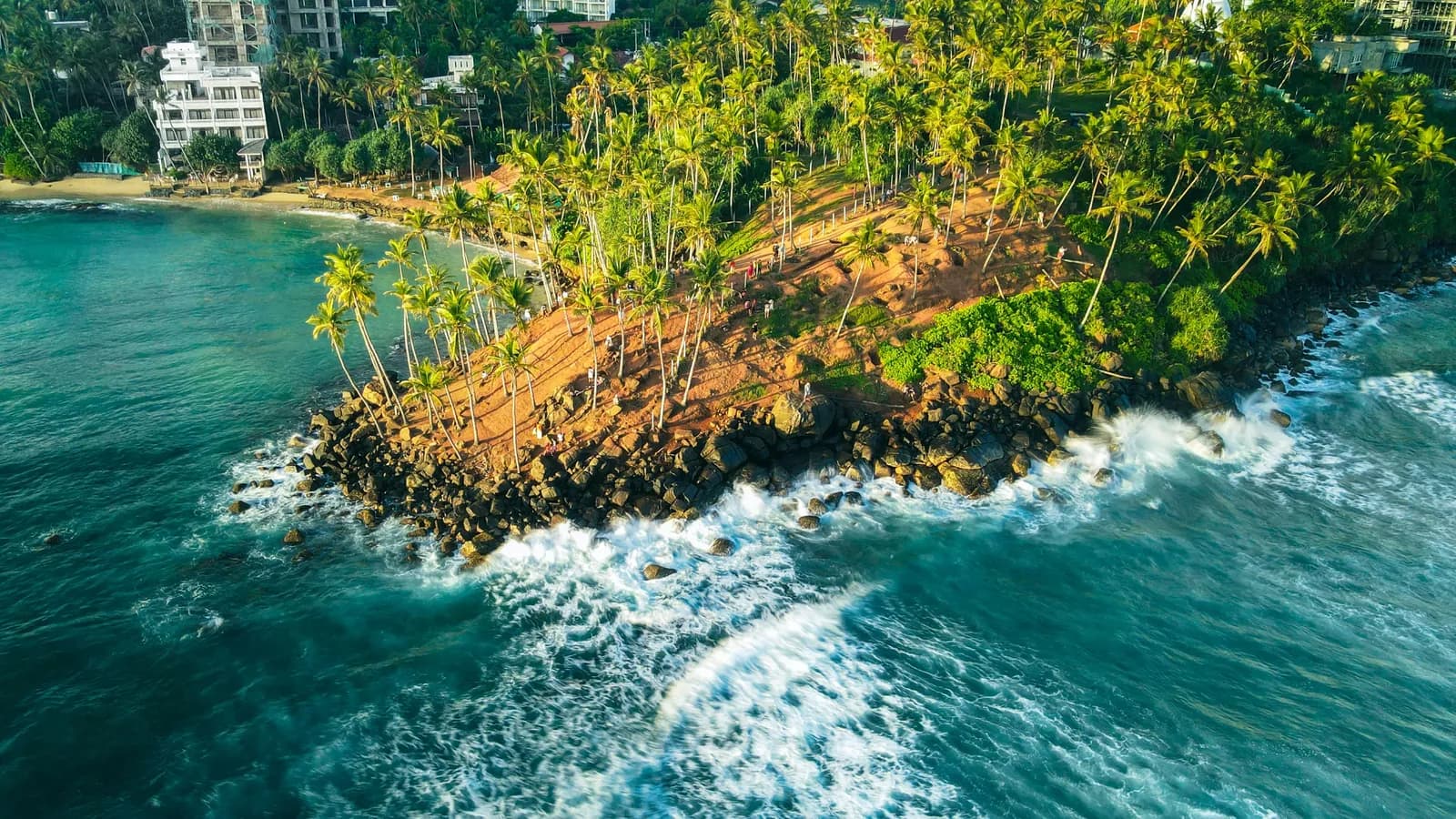
Madu Ganga is a protected mangrove wetland at Balapitiya on Sri Lanka's south west coast, designated a Ramsar site and scattered with around 64 islands. A two-to-three hour boat safari winds through narrow mangrove tunnels, stops at a cinnamon-making island and a small island temple, and is excellent for water birds.
- Location
- Balapitiya, Galle District
- Duration
- 2–3 hours by boat
- Status
- Ramsar-listed wetland
- Islands
- Around 64
What do you see on a Madu Ganga boat safari?
The estuary is a working landscape as much as a nature reserve: fishermen, cinnamon smallholdings and island households live alongside the mangroves. The best stretches are the narrow tunnels where the boat cuts its engine and the canopy closes overhead.
- Mangrove tunnels barely wider than the boat
- Cinnamon island, where growers demonstrate peeling bark into quills
- Kothduwa temple, a small Buddhist island temple reached by footbridge
- Kingfishers, herons, egrets, cormorants and water monitors
- Fish-nibbling foot spas set up on floating platforms
Is Madu Ganga worth doing with children?
It is one of the easiest half days on the south west coast for families: seated, shaded, short, and with enough happening to hold attention. The cinnamon demonstration is genuinely interesting rather than a staged photo stop, and the temple visit adds a quiet break in the middle.
It also works well as a wet-weather alternative when the sea is rough and beach days are off.
How do you choose a responsible boat operator?
Not every boat on the river behaves well. The things worth insisting on are a skipper who slows down in the mangrove tunnels, avoids chasing birds for a photograph, and does not run the engine hard through the narrow channels where wake damages the roots.
Some operators offer to feed monkeys or hand out bread for the fish; both are best declined. We book smaller boats with operators who work the river year-round rather than the fastest available tour.
Practical tips before you go
- Go early morning for the best birdlife and the coolest, calmest water.
- Ask for a smaller boat: it can enter the narrower mangrove tunnels that larger boats cannot.
- Bring insect repellent for the shaded tunnel sections.
- Combine with Hikkaduwa turtles or Galle Fort for a full day on the coast.
- Decline offers to feed monkeys or fish; it is not good for either.
Frequently asked questions
How long is the Madu Ganga boat safari?
Two to three hours, including stops at the cinnamon island and Kothduwa temple. Shorter one-hour circuits exist but skip the narrower mangrove tunnels, which are the most memorable part of the trip.
What is the best time of day for Madu Ganga?
Early morning. The water is calmest, birdlife is most active, and the heat and boat traffic both build through the middle of the day. Late afternoon is the second-best option.
Where does the Madu Ganga safari start?
From Balapitiya on the south west coast, about 80km from Colombo and 25km north of Hikkaduwa. It sits directly on the coastal road, which makes it an easy stop between Colombo and Galle.
Is Madu Ganga suitable for young children?
Yes. It is seated, shaded and short, with plenty to look at. It is one of the more family-friendly half days on the coast, and works well as an alternative when the sea is too rough for beach days.
What is cinnamon island?
A small island in the estuary where families grow and process cinnamon by hand. Growers demonstrate stripping and peeling the bark into quills, and you can buy directly from them. Sri Lanka is the origin of true cinnamon, and this is one of the easiest places to see it made.
Year-round
Discover your next Sri Lanka adventure
From ancient sacred temples and misty tea highlands to serene golden sunsets, let our experts curate your perfect private island journey.