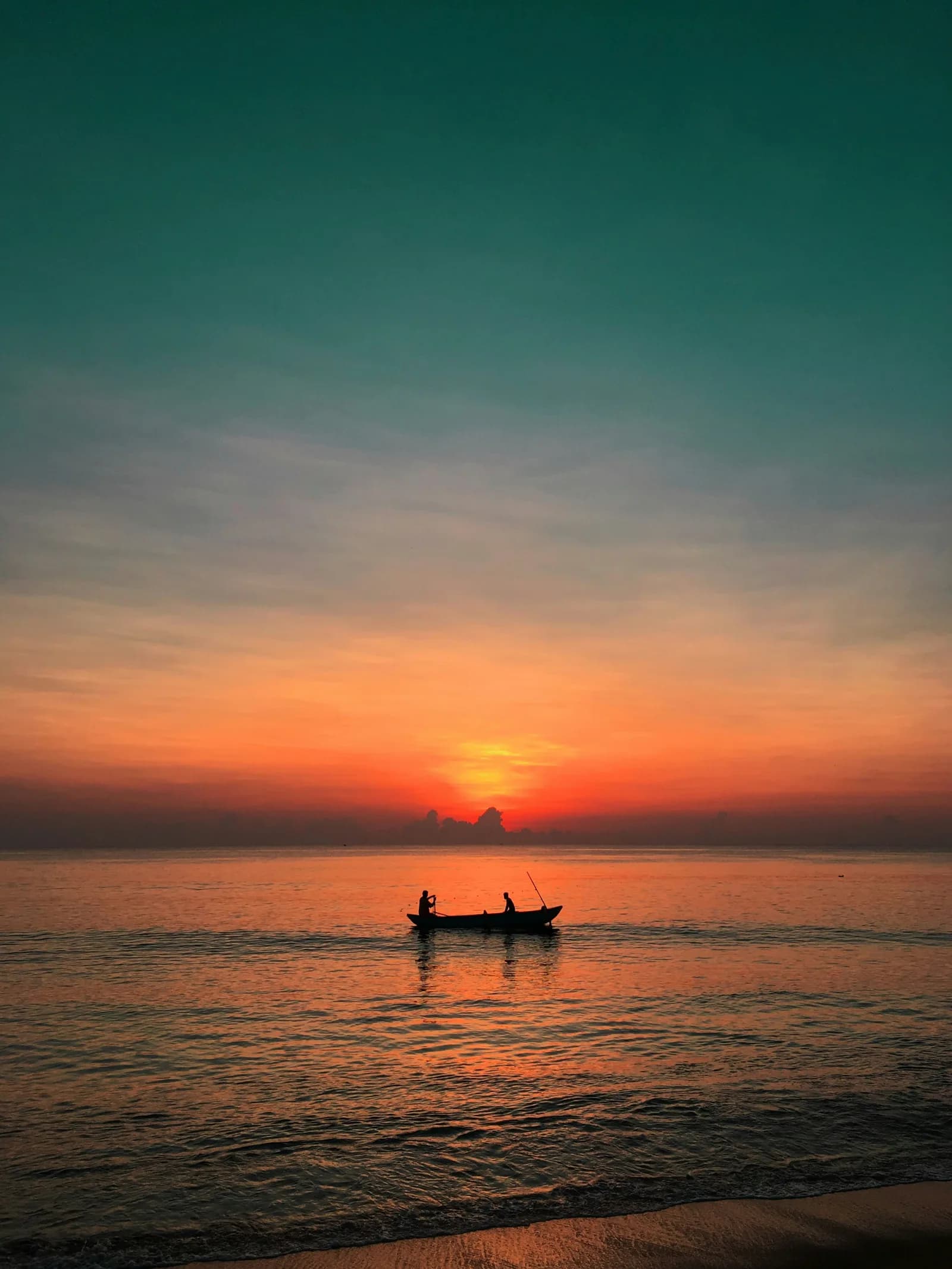
Whale Watching in Mirissa
Mirissa, on Sri Lanka's south coast, is one of the world's most accessible places to see blue whales. The continental shelf drops away close to shore near Dondra Point, so boats reach deep water within an hour. The season runs roughly November to April, with boats leaving the harbour around dawn.
- Location
- Mirissa harbour, Matara District
- Duration
- 4–5 hours at sea
- Departure
- Around 6.00–6.30am
- Season
- November to April
What whales can you see at Mirissa?
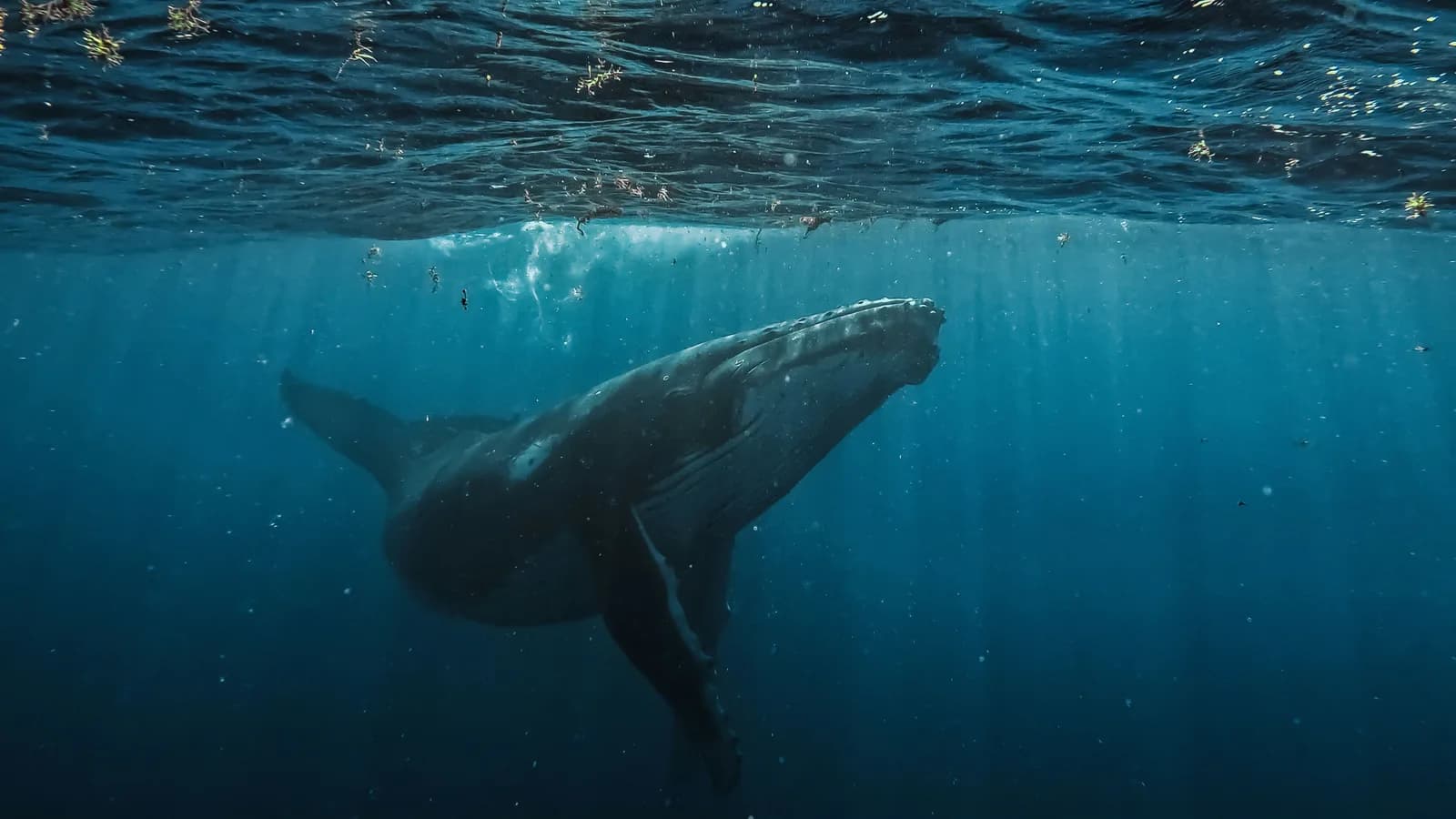
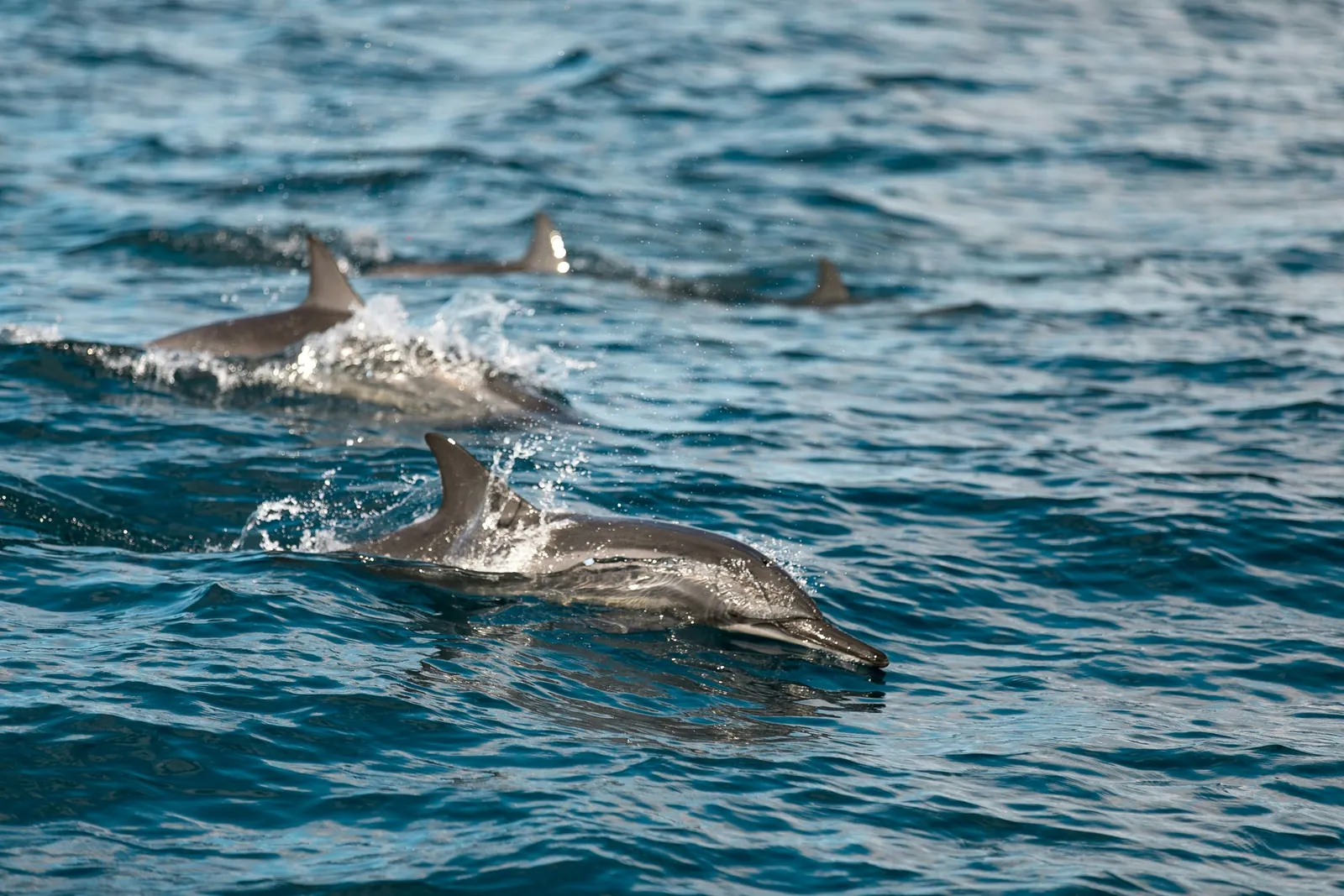
Blue whales are the draw, and Sri Lanka's southern population appears to be partly resident rather than fully migratory, which is why sightings are possible across a long season. Sperm whales, Bryde's whales and occasionally orca are also recorded, and large pods of spinner dolphins are seen on most trips.
- Blue whale: the largest animal that has ever lived, sighted regularly in season
- Sperm whale, sometimes in loose groups
- Bryde's whale and, less often, fin and humpback whales
- Spinner and bottlenose dolphins, frequently in large pods
When is the whale watching season in Mirissa?
The south coast season runs from around November to April, when the sea is calmest and sightings are most consistent. Outside that window the southwest monsoon makes the water rough and most operators stop; the action shifts to Trincomalee on the east coast between roughly May and September.
Within the season, December to April is the steadiest stretch. Boats leave at first light because the sea is flattest early and the wind builds through the morning.
What is the trip actually like?
You board before sunrise, clear the harbour and run south for around an hour to reach the deep water off Dondra Point. Crews scan for blows on the horizon, and a sighting usually means a slow approach and repeated surfacing over ten or fifteen minutes before the whale dives.
It is open ocean, so there is swell even on good days. If you are prone to sea sickness, take medication the night before rather than at the harbour.
Practical tips before you go
- Take sea-sickness tablets the evening before: taking them at the harbour is usually too late.
- Sit outside in fresh air rather than in the cabin if the swell picks up.
- Choose an operator that keeps a respectful distance and does not chase; crowding whales pushes them down and ends the sighting for everyone.
- Bring a windproof layer: it is cold at speed before the sun is up.
- Book the first sailing of the day; later departures meet rougher water.
Frequently asked questions
What is the best month for whale watching in Mirissa?
December to April is the most reliable stretch of the November-to-April south coast season, with the calmest seas and the most consistent blue whale sightings. Outside those months the southwest monsoon makes conditions rough and whale watching moves to Trincomalee on the east coast.
How long is the whale watching trip?
Four to five hours in total. Boats leave Mirissa harbour around 6.00 to 6.30am, run about an hour to reach deep water off Dondra Point, then search and follow sightings before returning late morning.
Will I definitely see a blue whale?
Sighting rates in season are high but not guaranteed. These are wild animals in open ocean. Most in-season trips encounter whales, and dolphins are seen on the majority of sailings even when whales are not.
Is whale watching in Mirissa suitable for children?
Older children usually manage well; younger ones can struggle with the early start and the swell. If you are travelling with small children, tell us in advance and we will match you with a larger, more stable boat and a shorter route.
What should I bring on a whale watching trip?
Sea-sickness medication taken the night before, a windproof layer, sunscreen, a hat, water and a camera with a zoom. Leave anything you cannot afford to get wet behind. Spray on deck is guaranteed.
November – April
Discover your next Sri Lanka adventure
From ancient sacred temples and misty tea highlands to serene golden sunsets, let our experts curate your perfect private island journey.