Dolphin Watching in Kalpitiya
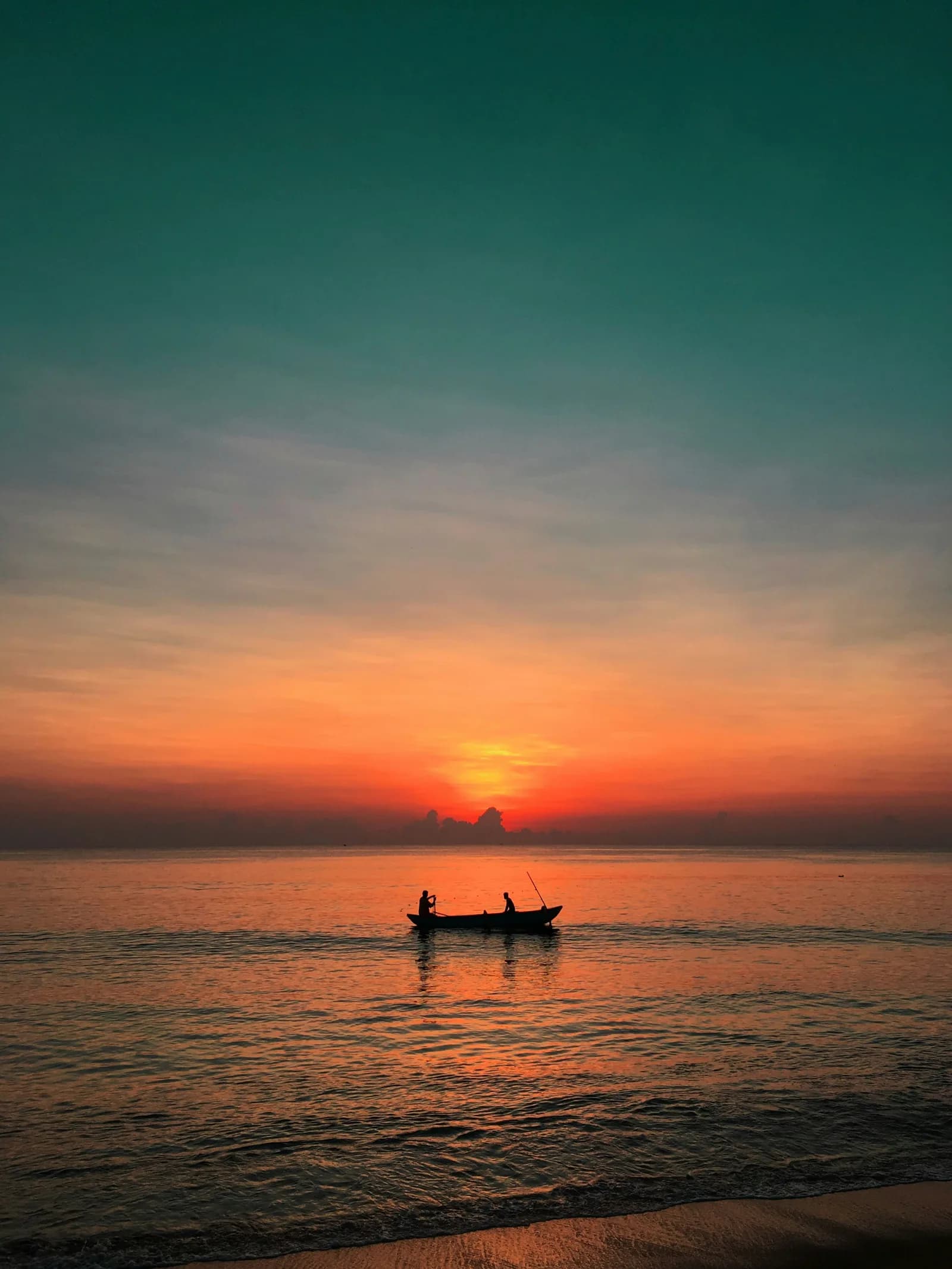
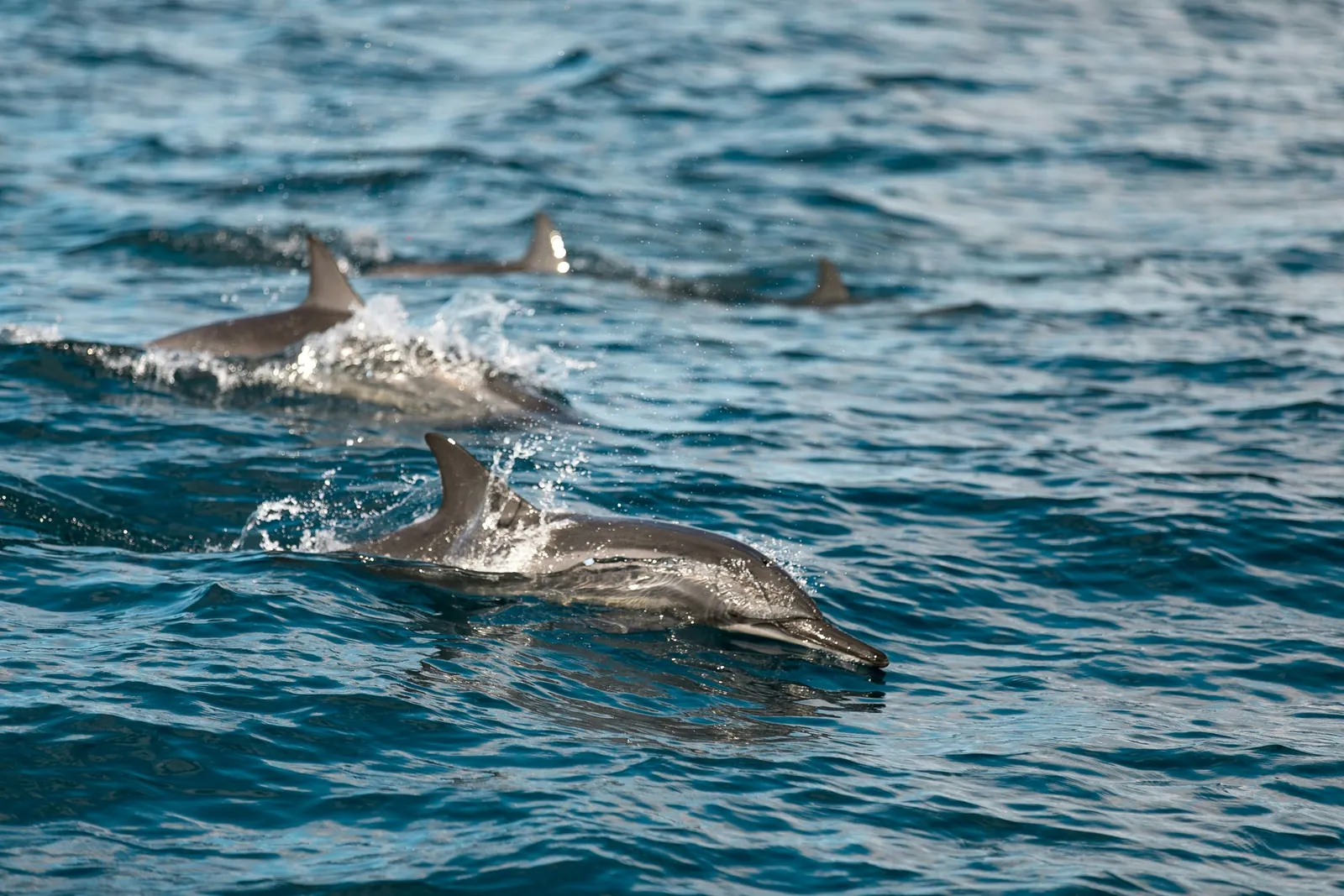
Kalpitiya, on Sri Lanka's north west coast, is known for enormous pods of spinner dolphins: sometimes several hundred animals moving together. Boats leave the lagoon at first light between November and April and reach the dolphin grounds within about half an hour. Sperm whales are also recorded in March and April.
- Location
- Kalpitiya peninsula, Puttalam
- Duration
- 3–4 hours at sea
- Departure
- Around 6.00am
- Season
- November to April
What makes Kalpitiya different from Mirissa?
Mirissa is about whales; Kalpitiya is about numbers. The spinner dolphin pods here can run into the hundreds, spread across the surface in every direction, and the run out from the lagoon is shorter and usually calmer than the south coast crossing.
It is also far less visited. On a good morning there may be only a handful of boats out, which makes for a quieter encounter and a shorter wait for a good position.
When is dolphin watching season in Kalpitiya?
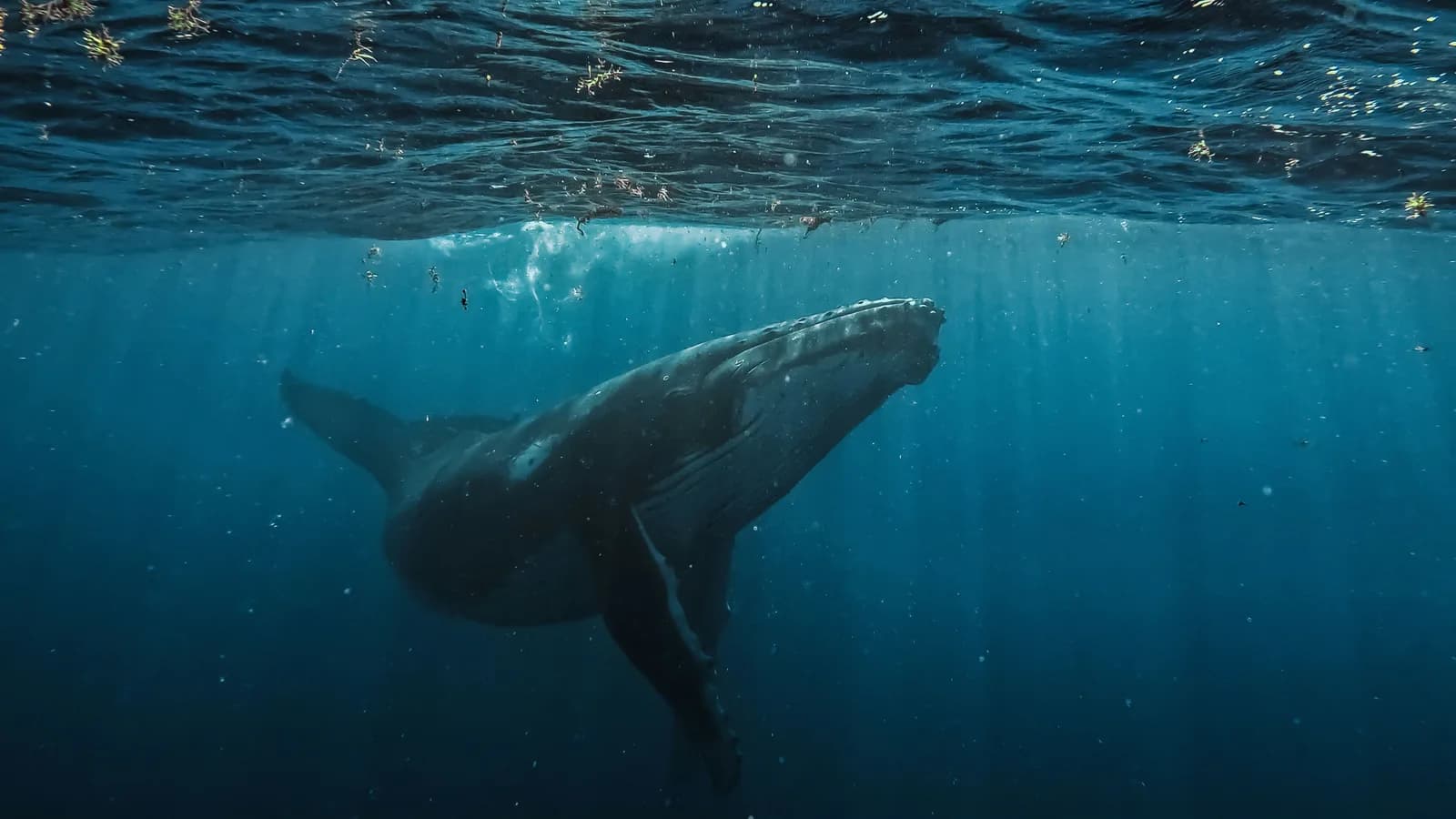
The season runs from around November to April, matching the calm period on the west coast before the southwest monsoon arrives. March and April add a chance of sperm whales, which pass through this stretch of water in loose groups.
Boats leave at first light because the sea flattens overnight and the dolphins are most active in the early morning. By mid-morning the wind is usually up and the pods have moved on.
Can you snorkel at Bar Reef on the same trip?
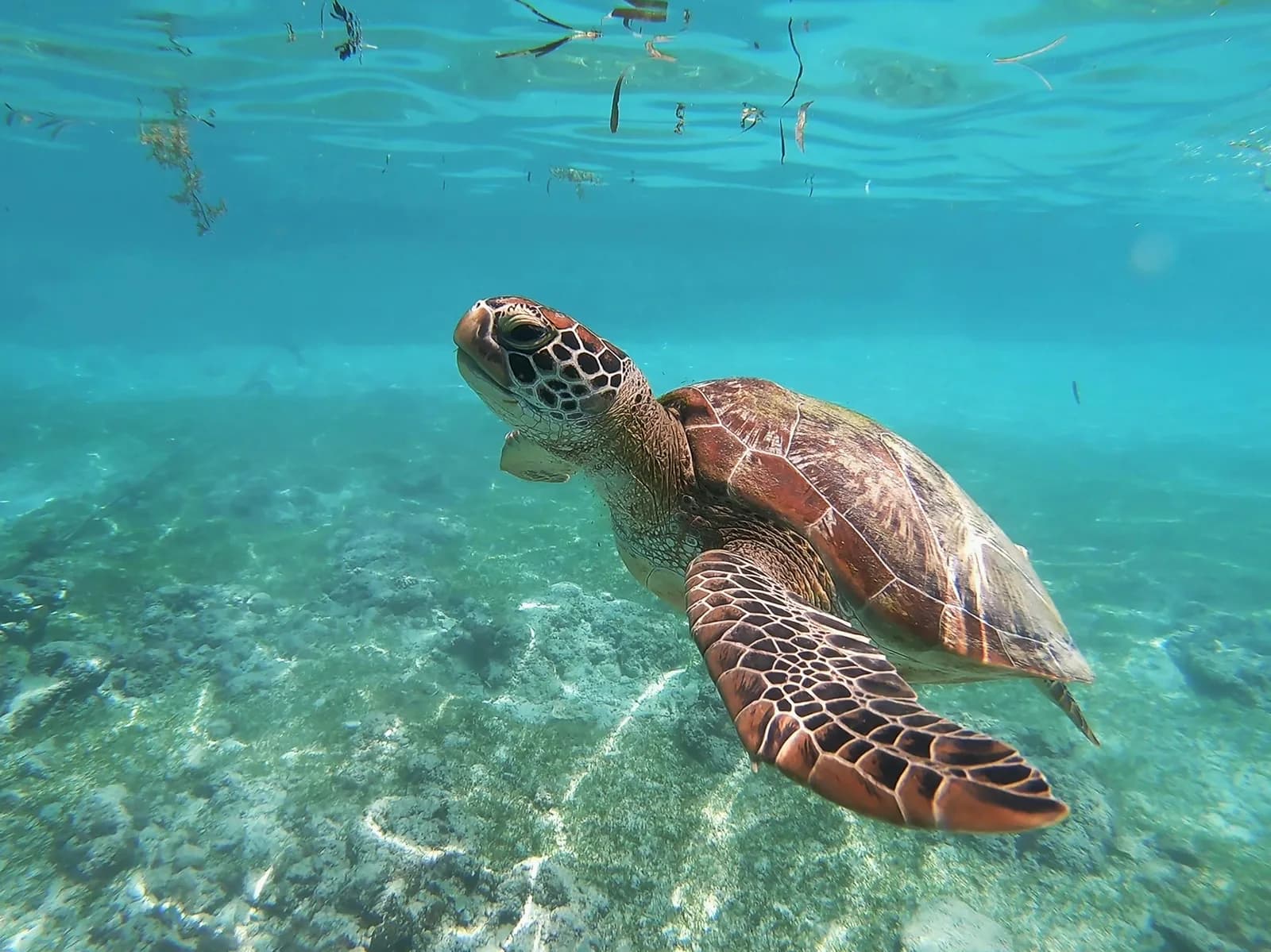
Bar Reef is Sri Lanka's largest coral reef system and lies off the same peninsula, so many visitors combine an early dolphin trip with snorkelling later in the morning. Visibility is best in the same November-to-April window.
Kalpitiya is also Sri Lanka's kitesurfing centre, with a shallow lagoon and steady cross-shore wind from around May to October, the opposite season to the dolphins.
Practical tips before you go
- Stay overnight in Kalpitiya rather than driving from Colombo at 2am for a dawn boat.
- Bring a dry bag: the run out is fast and spray comes over the bow.
- Ask the skipper to cut the engine and let the pod come to the boat rather than driving into it.
- Combine the trip with Wilpattu National Park, which is around two hours away.
Frequently asked questions
When is the best time for dolphin watching in Kalpitiya?
November to April, when the west coast sea is calm. Boats leave around 6.00am because the water is flattest and the pods most active at first light. March and April also bring a chance of sperm whales.
How many dolphins will I see in Kalpitiya?
Spinner dolphins here travel in very large pods, and sightings of several hundred animals at once are common in season. Numbers vary day to day, but Kalpitiya is known specifically for the scale of its pods rather than for single encounters.
How far is Kalpitiya from Colombo?
About 165km, or three to four hours by road. Because boats leave at dawn, we normally recommend staying overnight in Kalpitiya rather than attempting the drive on the morning of the trip.
Is Kalpitiya better than Mirissa for marine life?
They offer different things. Kalpitiya is the place for very large dolphin pods, calmer water and fewer boats; Mirissa is the place for blue whales. Travellers with time on both coasts often do one of each.
Can you combine dolphin watching with snorkelling?
Yes. Bar Reef, Sri Lanka's largest coral reef system, lies off the same peninsula and is usually snorkelled later in the morning once the dolphin trip is done. Visibility is best in the same November-to-April season.
November – April
Discover your next Sri Lanka adventure
From ancient sacred temples and misty tea highlands to serene golden sunsets, let our experts curate your perfect private island journey.