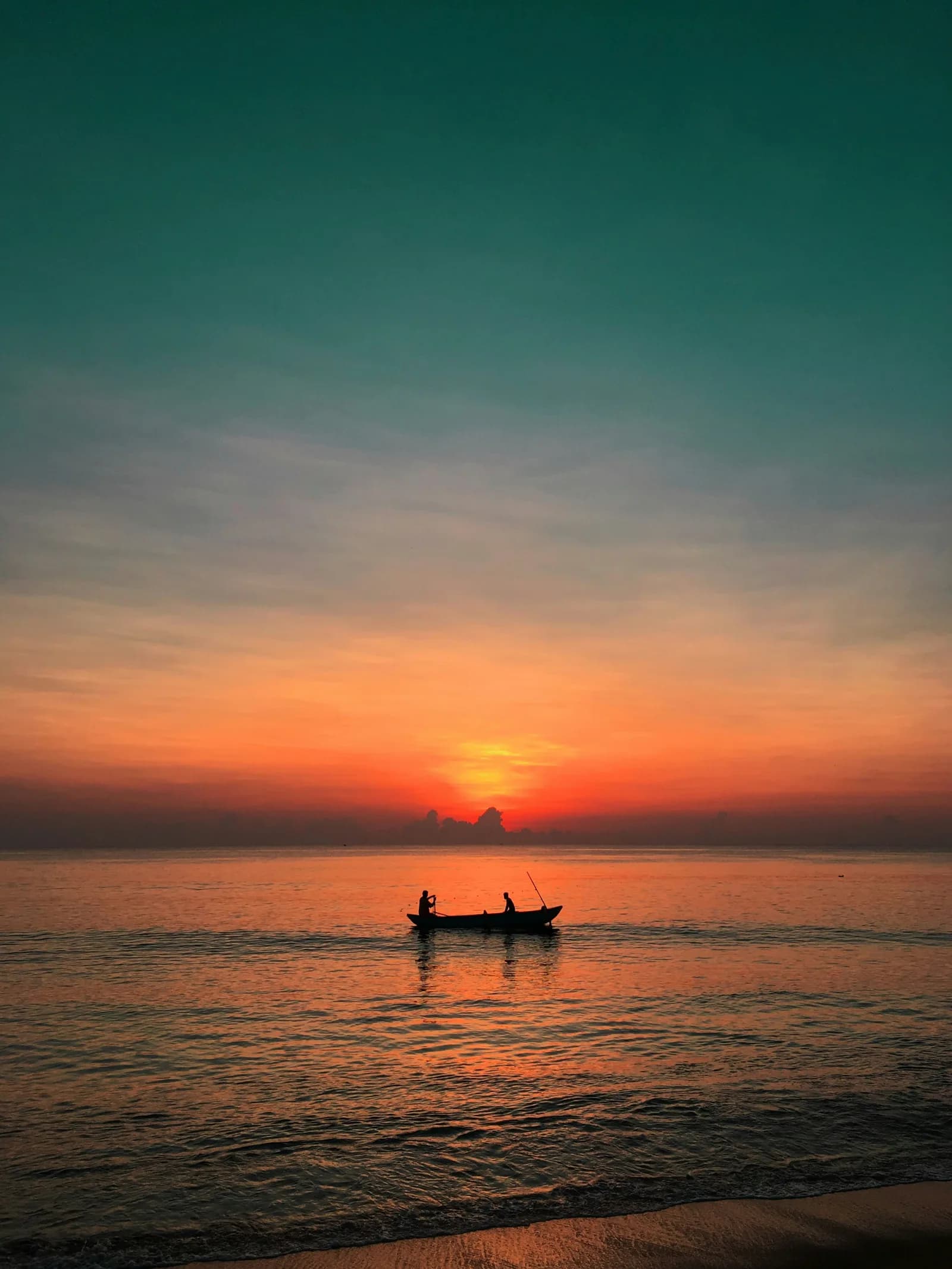
Elephant Safari in Udawalawe National Park
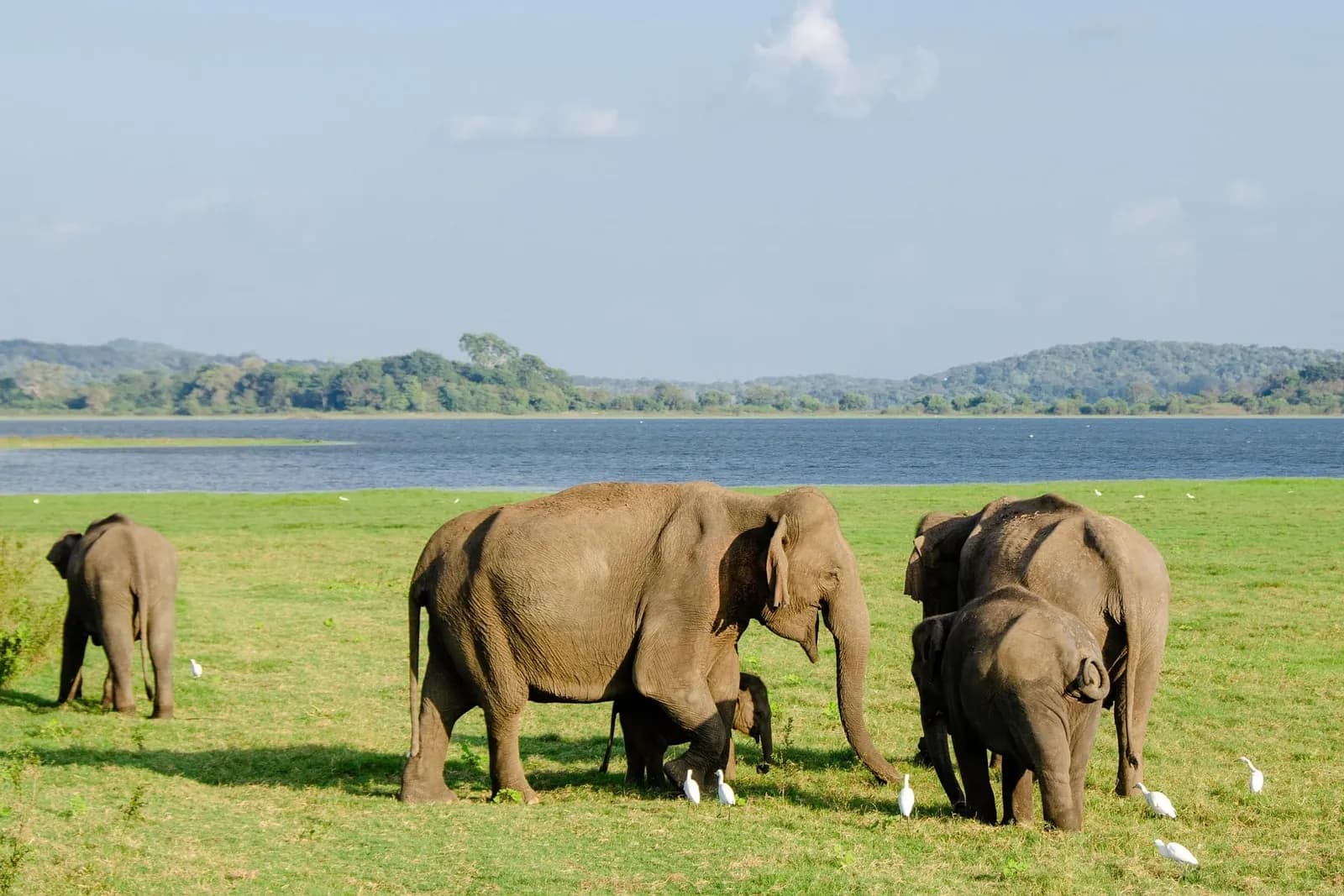
Udawalawe National Park, around 165km southeast of Colombo, is Sri Lanka's most dependable place to see wild elephants. Several hundred live inside its open grassland and scrub around a large reservoir, and herds are visible on most drives throughout the year. Drives run at dawn and mid-afternoon in a private 4x4.
- Location
- Udawalawe, Sabaragamuwa Province
- Duration
- Half day (3–4 hours)
- Drive times
- Dawn or mid-afternoon
- Best months
- Year-round
Why is Udawalawe the best park for elephants?
Udawalawe is open country: grassland and low scrub around a reservoir, rather than the thick jungle that hides animals elsewhere. That combination of a resident population numbering in the hundreds and terrain you can actually see across is why sightings here are close to routine rather than a matter of luck.
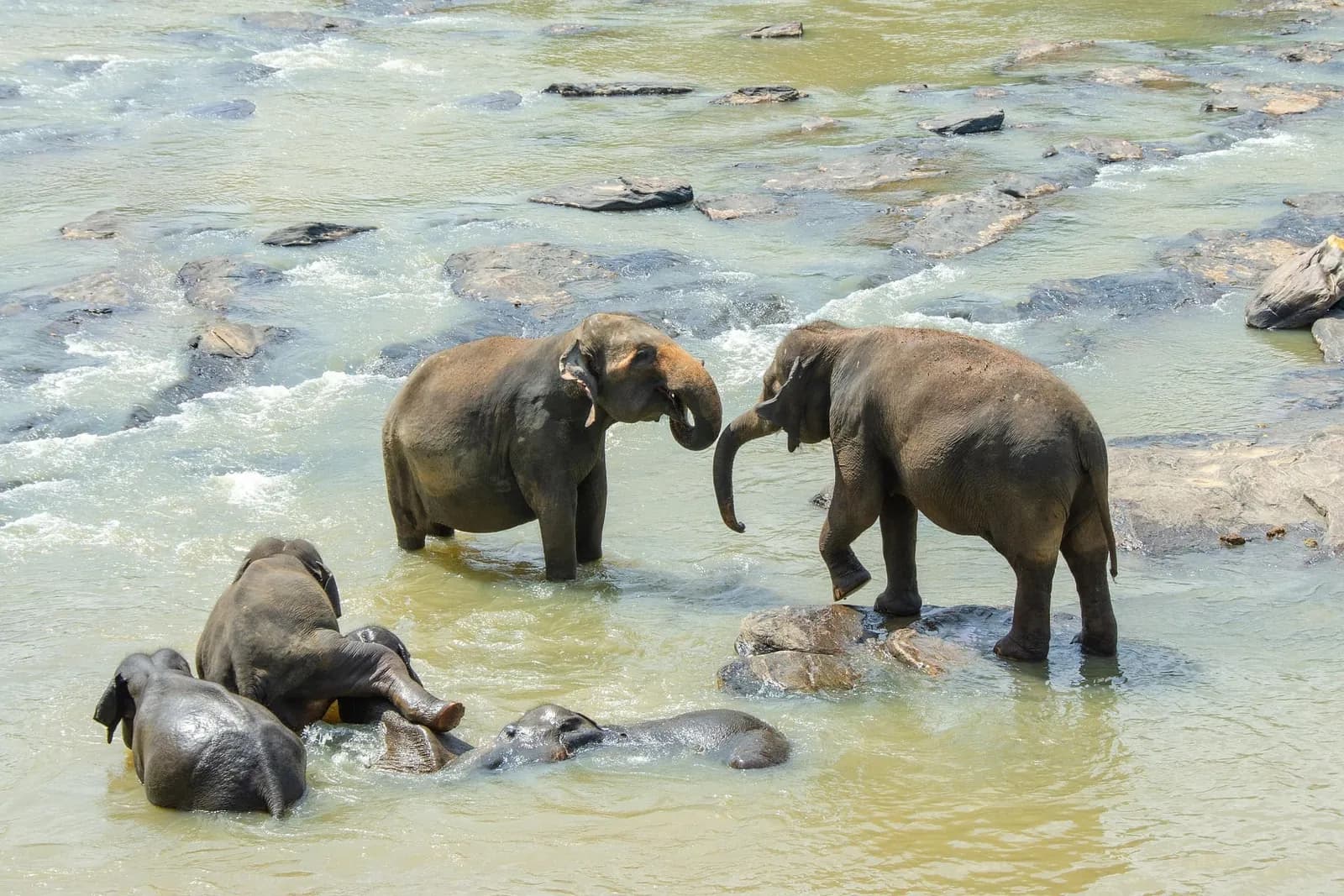
Herds gather near the water through the day, and it is common to watch family groups with calves for long stretches from a short distance.
What is the Elephant Transit Home?
Next to the park, the Elephant Transit Home raises orphaned calves for release back into the wild rather than keeping them permanently. Visitors watch scheduled milk feeds from a viewing platform at a distance. There is no riding, bathing or hands-on contact, which is exactly the point.
If the ethics of elephant tourism matter to you, this is the model to support, and it pairs naturally with a park drive on the same morning.
How does Udawalawe compare with Yala?
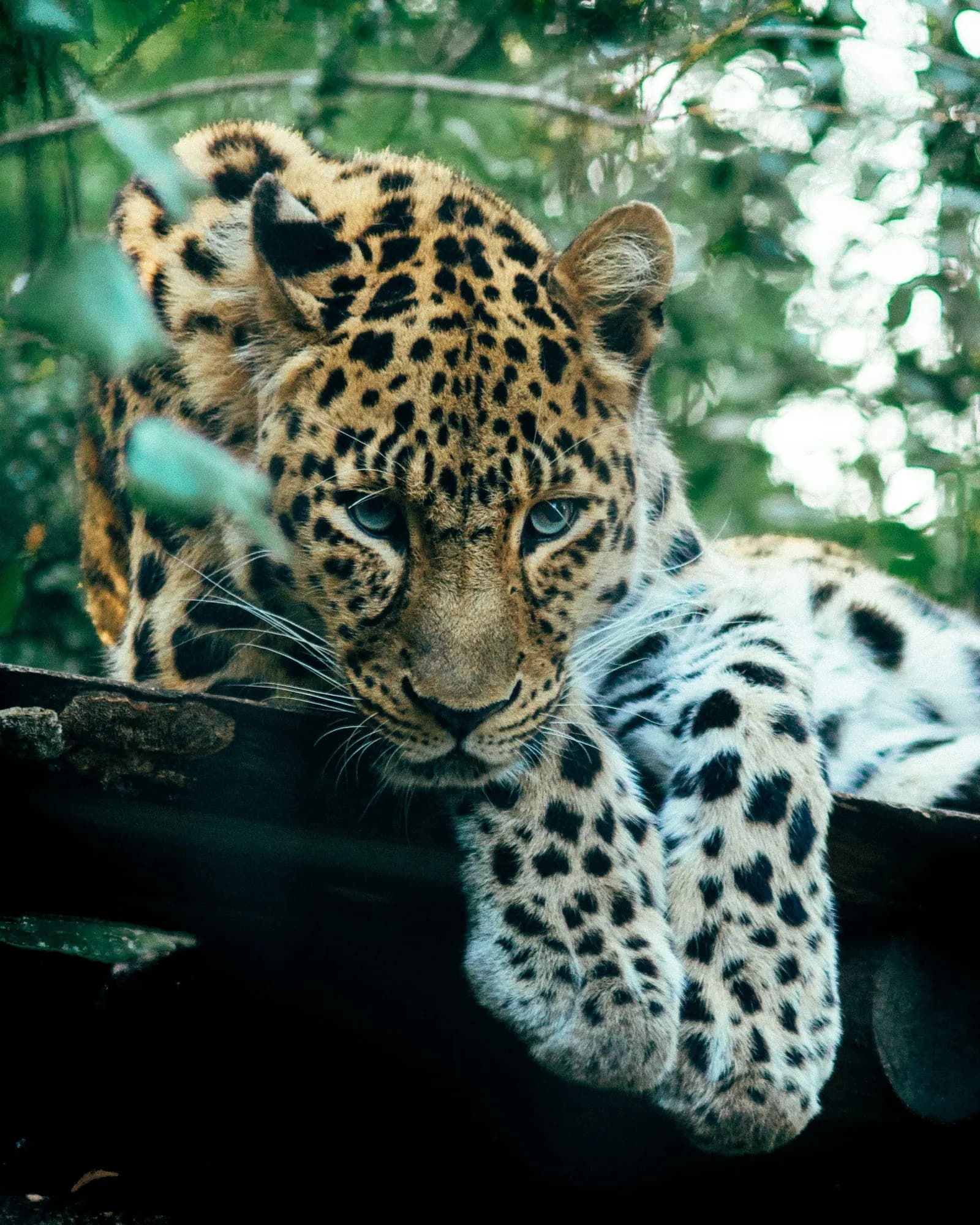
Choose Udawalawe for elephants and Yala for leopards. Udawalawe is quieter, greener, easier to see across and reliable in any month; Yala is denser scrub with the leopard draw and heavier vehicle traffic in peak season. Many itineraries include both, a few days apart on the southern loop.
Practical tips before you go
- The afternoon drive suits families: no pre-dawn start and elephants are active as the heat drops.
- Keep the jeep engine off when a herd approaches the track; they will usually carry on grazing.
- Bring binoculars for the raptors: Udawalawe is excellent for eagles and open-country birds.
- Pair the drive with the Elephant Transit Home feeding for a fuller half day.
Frequently asked questions
Are you guaranteed to see elephants at Udawalawe?
Close to it. Udawalawe holds several hundred wild elephants in open grassland with limited cover, so herds are visible on the large majority of drives in any month. No wildlife sighting can be promised outright, but this is the most reliable elephant park in Sri Lanka.
When is the best time to visit Udawalawe?
Any month works, which is what sets Udawalawe apart. Dawn and late afternoon are the most active periods for the herds, and the drier months from May to September concentrate animals nearer the reservoir.
How long is an Udawalawe safari?
A standard drive runs three to four hours, either from dawn or from mid-afternoon until the park closes. Adding the Elephant Transit Home feeding session makes it a comfortable half day.
Can you ride or bathe elephants at Udawalawe?
No, and that is deliberate. Udawalawe is a wild national park, and the neighbouring Elephant Transit Home raises orphaned calves for release with minimal human contact. Viewing is from a platform at a distance. We do not arrange elephant riding anywhere in Sri Lanka.
How far is Udawalawe from the south coast beaches?
Roughly two to two and a half hours by road from the Mirissa and Tangalle area, which makes it an easy overnight or long day trip from a south coast base, and a natural stop between the beaches and the hill country.
Year-round
Discover your next Sri Lanka adventure
From ancient sacred temples and misty tea highlands to serene golden sunsets, let our experts curate your perfect private island journey.