Leopard Safari in Yala National Park
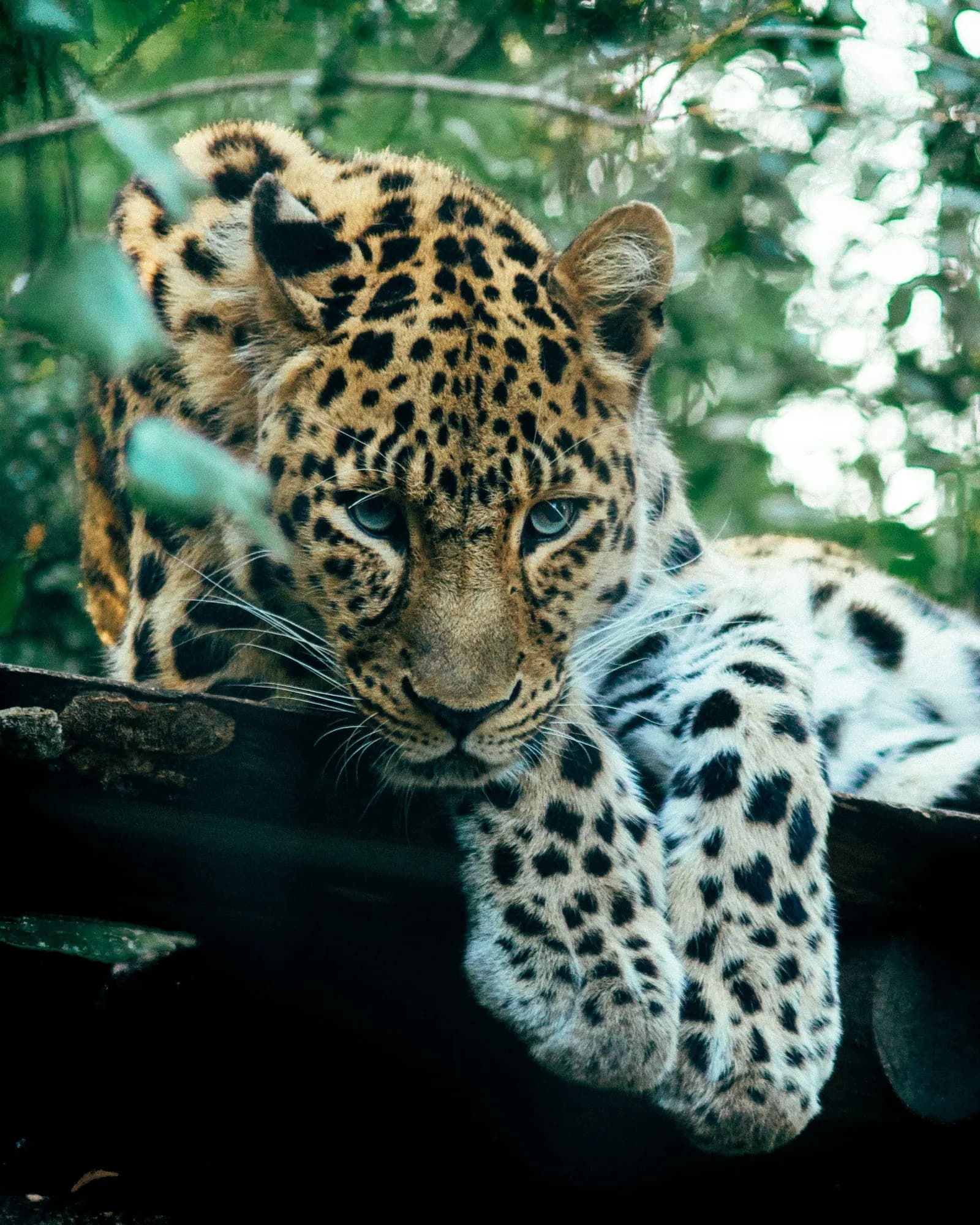
Yala National Park, on Sri Lanka's southeast coast, holds one of the highest densities of leopards recorded anywhere in the world, concentrated in Block 1. Game drives run at dawn and mid-afternoon in an open 4x4 with a licensed tracker, and also produce elephants, sloth bears, crocodiles and buffalo.
- Location
- Yala, Southern & Uva Provinces
- Duration
- Half day (4–5 hrs) or full day
- Drive times
- Dawn or mid-afternoon
- Best months
- February to July
How likely are you to see a leopard in Yala?
Yala's Block 1 is the most reliable place in the world to see a wild leopard, but it is still a wild animal in dense scrub. Nobody can promise a sighting on a single drive. Trackers work radio networks and alarm calls from spotted deer and langurs, and the odds improve sharply on a full-day drive or across two drives on consecutive days.
Leopards here are unusually relaxed around vehicles, which is why sightings tend to be long and photographable rather than a flash of tail through the bush.
When is the best time to visit Yala?
February to July is the strongest window: water sources shrink, animals concentrate around the remaining tanks and waterholes, and the scrub thins out enough to see through. The dawn drive is cooler and more active; the afternoon drive gives better light for photography.
Blocks 1 and 2 usually close for around a month from early September for the annual drought period, with the exact dates set by the Department of Wildlife Conservation each year. We check the current closure before confirming your dates and switch to Block 5 or nearby Lunugamvehera when needed.
What else lives in Yala besides leopards?
Fixating on leopards means missing what makes Yala unusual. It is one of the few parks where you can see leopard, elephant and sloth bear in one landscape, with a lagoon-and-coast edge that brings in birds you will not find inland.
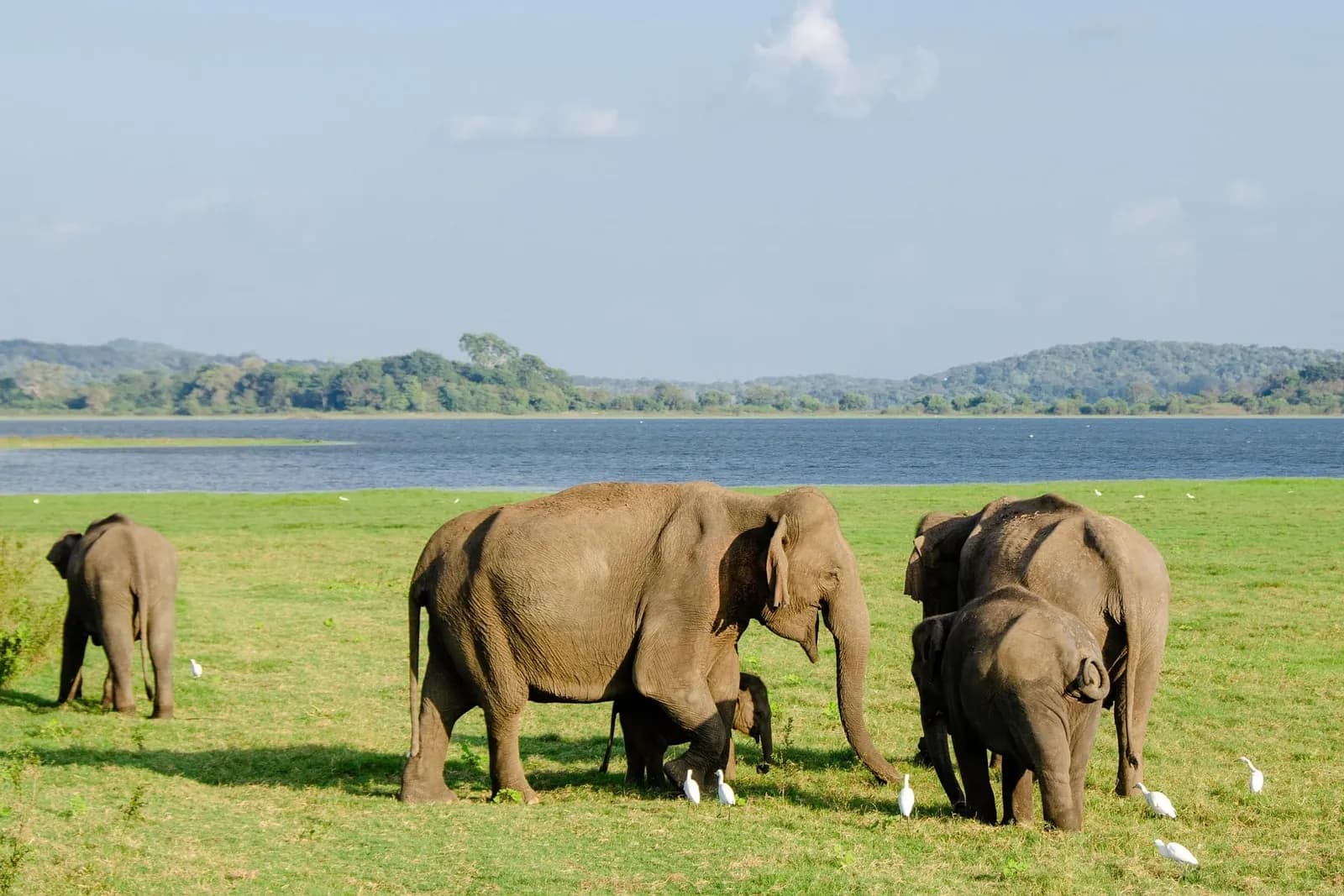
- Sri Lankan elephants, often in family groups near the tanks
- Sloth bears, most visible in June and July when palu fruit ripens
- Mugger crocodiles, wild buffalo, spotted deer and sambar
- Painted storks, peafowl, eagles and a heavy migratory bird season from November
Practical tips before you go
- Book the dawn drive if you only do one: animals move most in the first two hours of light.
- A full-day drive with a packed breakfast doubles your leopard odds compared with a single half-day.
- Bring a zoom lens; sightings are close by safari standards but rarely at arm's length.
- Dust is constant in the dry months: a scarf and a lens cloth are worth packing.
- Ask for a private jeep rather than a shared one so the tracker can follow a lead without a group vote.
Frequently asked questions
What is the best time of year for a Yala safari?
February to July is the peak window, when water sources shrink and wildlife concentrates around the remaining waterholes. Blocks 1 and 2 typically close for about a month from early September for the annual drought period, so we confirm the current dates before booking and use alternative blocks if needed.
Are you guaranteed to see a leopard in Yala?
No. These are wild animals and no operator can honestly guarantee a sighting. Yala's Block 1 does have among the highest leopard densities in the world, and a full-day drive or two consecutive drives raises your chances considerably over a single half-day.
How long is a Yala safari?
A half-day drive runs about four to five hours, usually from dawn or from mid-afternoon until the park closes. A full-day drive covers both peak periods with a break in between and gives the best chance of a leopard sighting.
Is Yala safari suitable for children?
Yes, though it is a long time seated on a bumpy track. Children generally do better on an afternoon drive than a pre-dawn start. We can pace the route and pack the vehicle accordingly for families.
What should I wear on a Yala safari?
Neutral colours, closed shoes, a hat and sunglasses. Mornings can be cool in an open jeep, so bring a light layer you can remove. The tracks are dusty in the dry season, so a scarf and a cover for camera gear help.
February – July
Discover your next Sri Lanka adventure
From ancient sacred temples and misty tea highlands to serene golden sunsets, let our experts curate your perfect private island journey.