Explore Dambulla Royal Rock Cave Temple
The Dambulla Cave Temple, or Golden Temple of Dambulla, is the largest and best-preserved rock cave monastery complex in Sri Lanka. Towering 160 metres over the surrounding plains, its five sacred caverns house 153 masterfully sculpted Buddha statues and over 2,100 square metres of intricate ceiling murals spanning two millennia.
- Location
- Dambulla, Cultural Triangle
- Founded
- 1st Century BC by King Valagamba
- Status
- UNESCO World Heritage Site
- Caverns
- 5 principal rock-cut sanctuaries
What is the royal history behind the Dambulla caves?
In 103 BC, King Valagamba was driven from his throne in Anuradhapura by South Indian invaders. He took sanctuary in the isolated caves of Dambulla for fourteen years, sheltered and protected by Buddhist monks.
When Valagamba reclaimed his capital, he commemorated the monks' protection by transforming the granite caverns into magnificent rock-cut sanctuaries. Subsequent Sinhalese monarchs over two millennia, notably King Nissanka Malla in the 12th century, gilded the statues and added elaborate murals depicting Lord Buddha's temptation by Mara and early Sri Lankan historical triumphs.
- Cave 1 (Devaraja Lena): Cave of the Divine King, featuring a colossal 14-metre reclining Buddha carved directly out of the living granite
- Cave 2 (Maharaja Lena): Cave of the Great Kings, the largest sanctuary with 56 statues and sacred dripping water used in healing rituals
- Cave 3 (Maha Alut Vihara): The Great New Temple built in the 18th century with Kandyan-era ceiling paintings
- Cave 4 (Pachima Vihara): Western Cave containing a central dagoba (stupa) said to preserve jewelry belonging to Queen Somawathi
- Cave 5 (Devana Alut Vihara): The Second New Temple with painted brick and plaster statues
What should visitors know about the climb and dress etiquette?
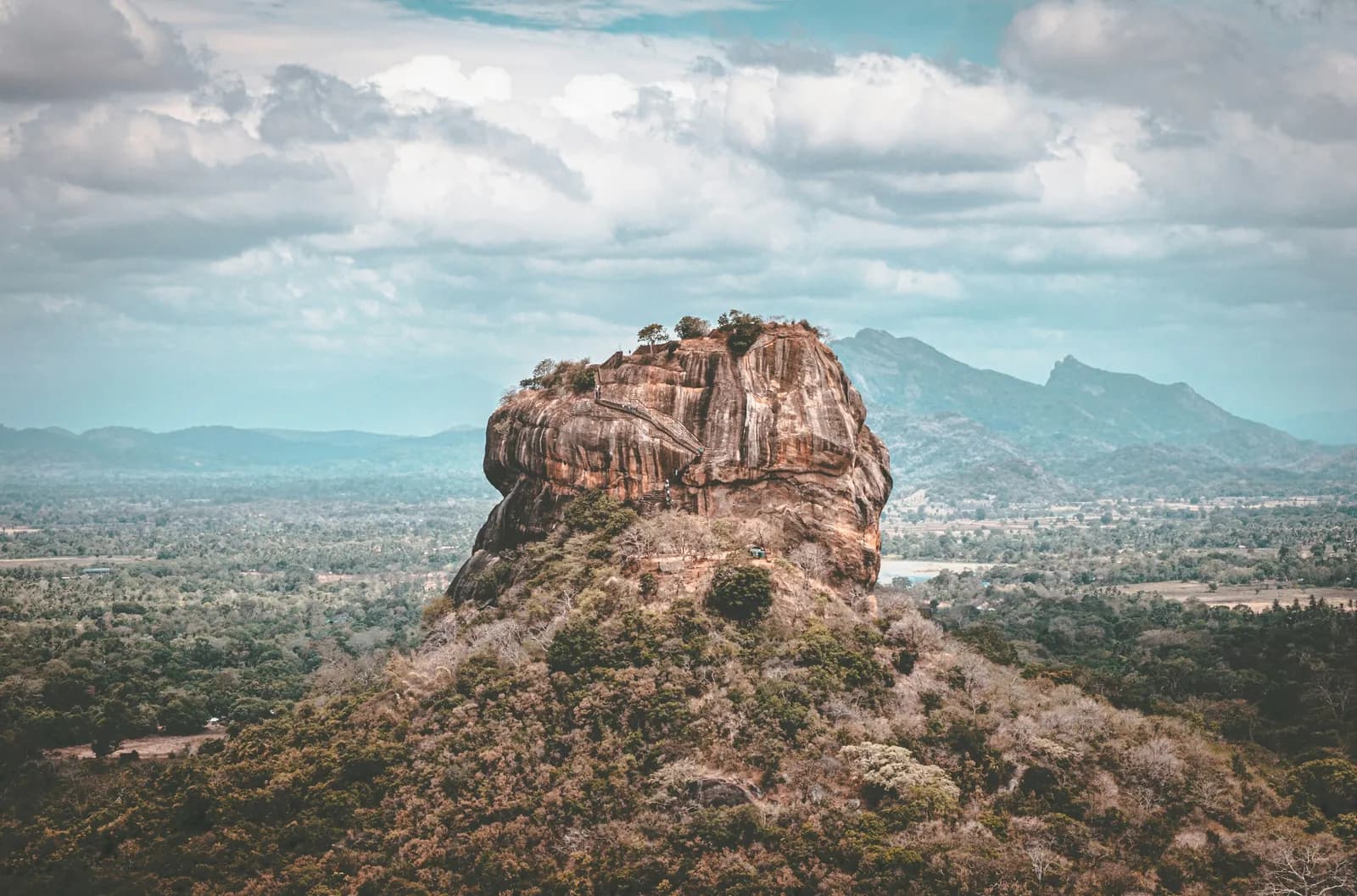
Reaching the cave sanctuaries involves climbing a sloping stone stairway of roughly 300 steps through shaded rocky terrain inhabited by toque macaque monkeys. The ascent takes 10 to 15 minutes at an easy pace, offering sweeping views across the countryside toward Sigiriya rock fortress on clear mornings.
As an active place of Buddhist worship, strict dress etiquette applies: knees and shoulders must be covered. You must remove shoes at the terrace gatehouse before entering the cave complex (wearing socks is advised as the outdoor stone tiles heat up in the midday tropical sun).
How should you combine Dambulla with Sigiriya?
Dambulla and Sigiriya are located just 25 minutes apart by private car, making them the ultimate cultural day pairing in Sri Lanka. The optimal itinerary climbs Sigiriya at 7:00 AM when temperatures are cool, followed by a local rice and curry lunch, and an afternoon visit to Dambulla's shaded caverns when the sunlight enters the doorways at an evocative angle.
Practical tips before you go
- Purchase your entrance ticket at the base of the rock near the museum before starting the climb (tickets cannot be purchased at the top gate).
- Bring clean socks in your daypack to protect your feet from hot courtyard stone between cave entrances.
- Do not pose with your back turned toward Buddha statues for photographs, as this is considered deeply disrespectful.
- Watch your bags around the temple monkeys, who are curious and drawn to exposed plastic bottles or snacks.
Frequently asked questions
How long does it take to tour Dambulla Cave Temple?
A thorough visit takes between 1.5 and 2.5 hours, including the 15-minute walk up, time to explore each of the five illuminated caverns with a guide, and the walk down.
Is Dambulla Cave Temple wheelchair accessible?
Due to the historic stone steps and undulating rock terrain, the upper caves are not wheelchair accessible. However, visitors with mild mobility limits can climb at a gentle pace with rest stops along the shaded staircase.
Year-round
Discover your next Sri Lanka adventure
From ancient sacred temples and misty tea highlands to serene golden sunsets, let our experts curate your perfect private island journey.