Cycle Through Ancient Polonnaruwa
Polonnaruwa was Sri Lanka's thriving royal capital from the 11th to 13th centuries, renowned for its monumental palaces, intricate irrigation reservoirs, and masterfully sculpted granite Buddhas. Exploring the sprawling archaeological park by bicycle allows travellers to glide effortlessly between ancient lotus baths, royal audience halls, and the world-famous Gal Vihara rock shrine under shaded forest canopies.
- Location
- Polonnaruwa, Cultural Triangle
- Historical Era
- 11th–13th century medieval kingdom
- Status
- UNESCO World Heritage Site
- Key Masterpiece
- Gal Vihara colossal rock-cut Buddhas
Why is Polonnaruwa one of Asia's great medieval capitals?
After the fall of Anuradhapura, King Vijayabahu I made Polonnaruwa his capital in 1070. The city reached its golden zenith under King Parakramabahu I the Great, whose reign created ambitious hydraulic marvels—including the massive Parakrama Samudra reservoir—proclaiming that 'not a single drop of water falling from the heavens shall reach the sea without serving mankind.'
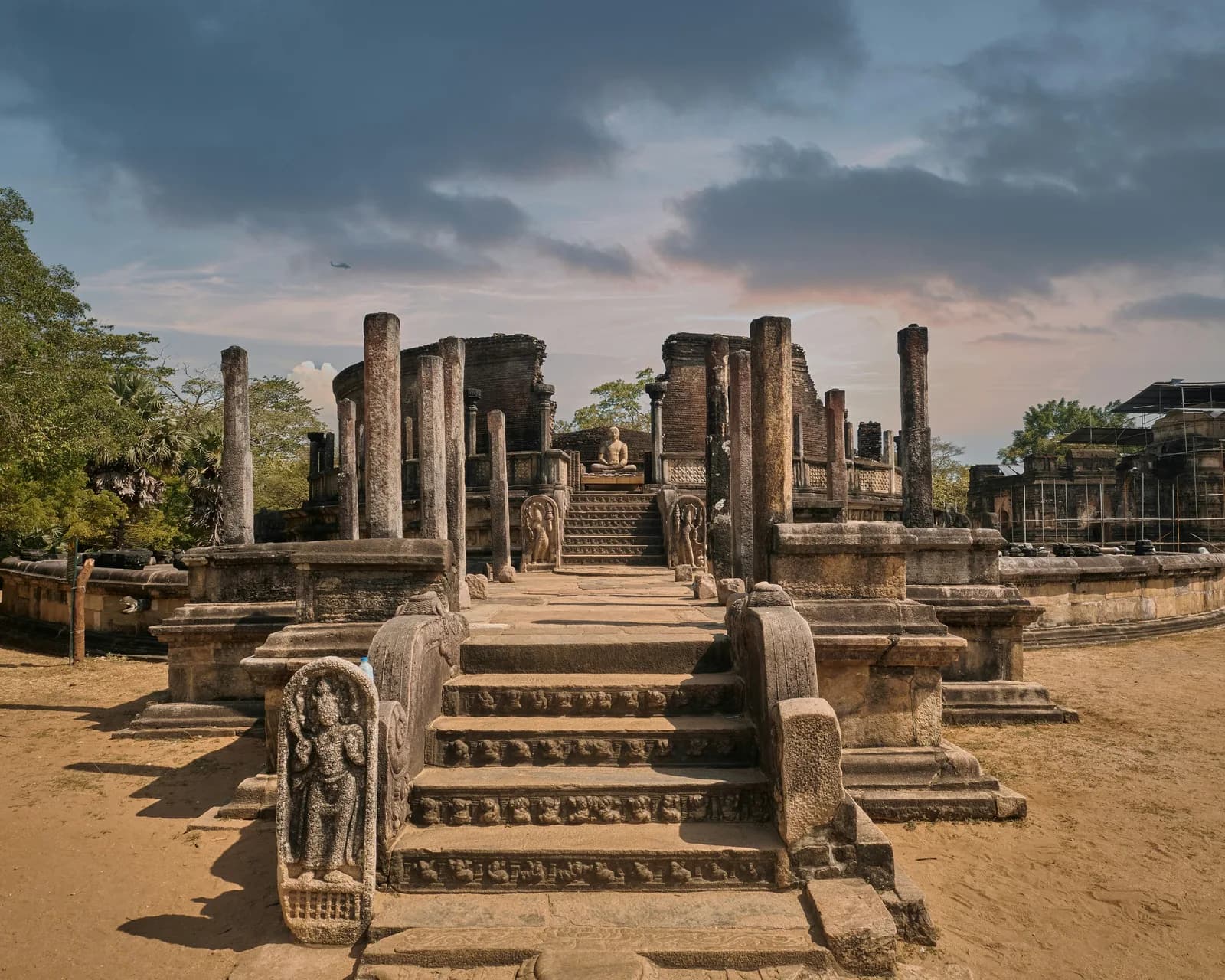
The city's monuments survived remarkably well because they were built from fired brick and precision-cut gneiss stone. Today, ancient ruins sit amidst manicured lawns and sacred banyan trees, offering a compact, cohesive window into medieval Sinhalese civilization.
- The Royal Palace of King Parakramabahu, originally a seven-storey brick marvel
- The Dalada Maluwa (Sacred Quadrangle), home to the circular Vatadage relic house and the Hatadage
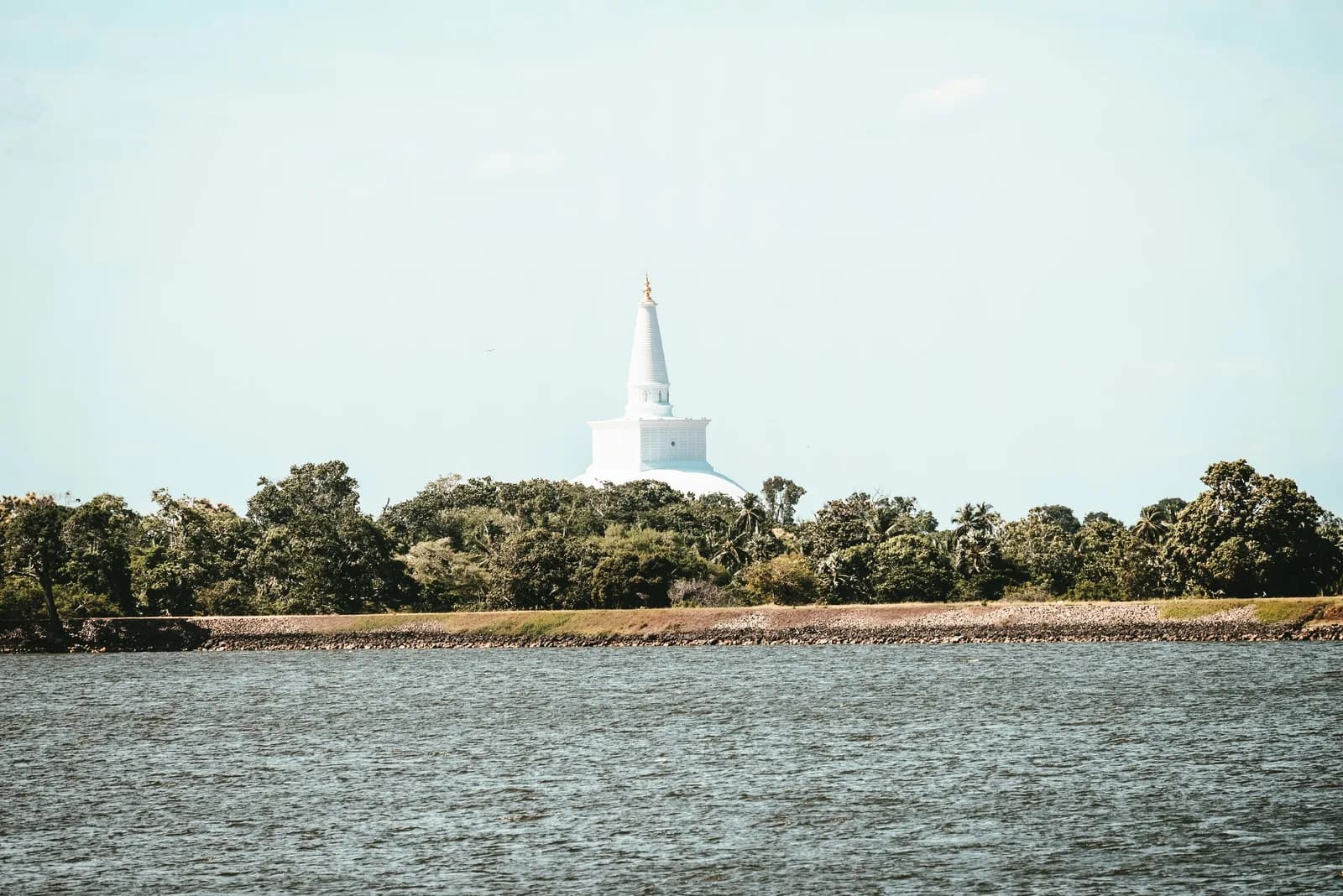
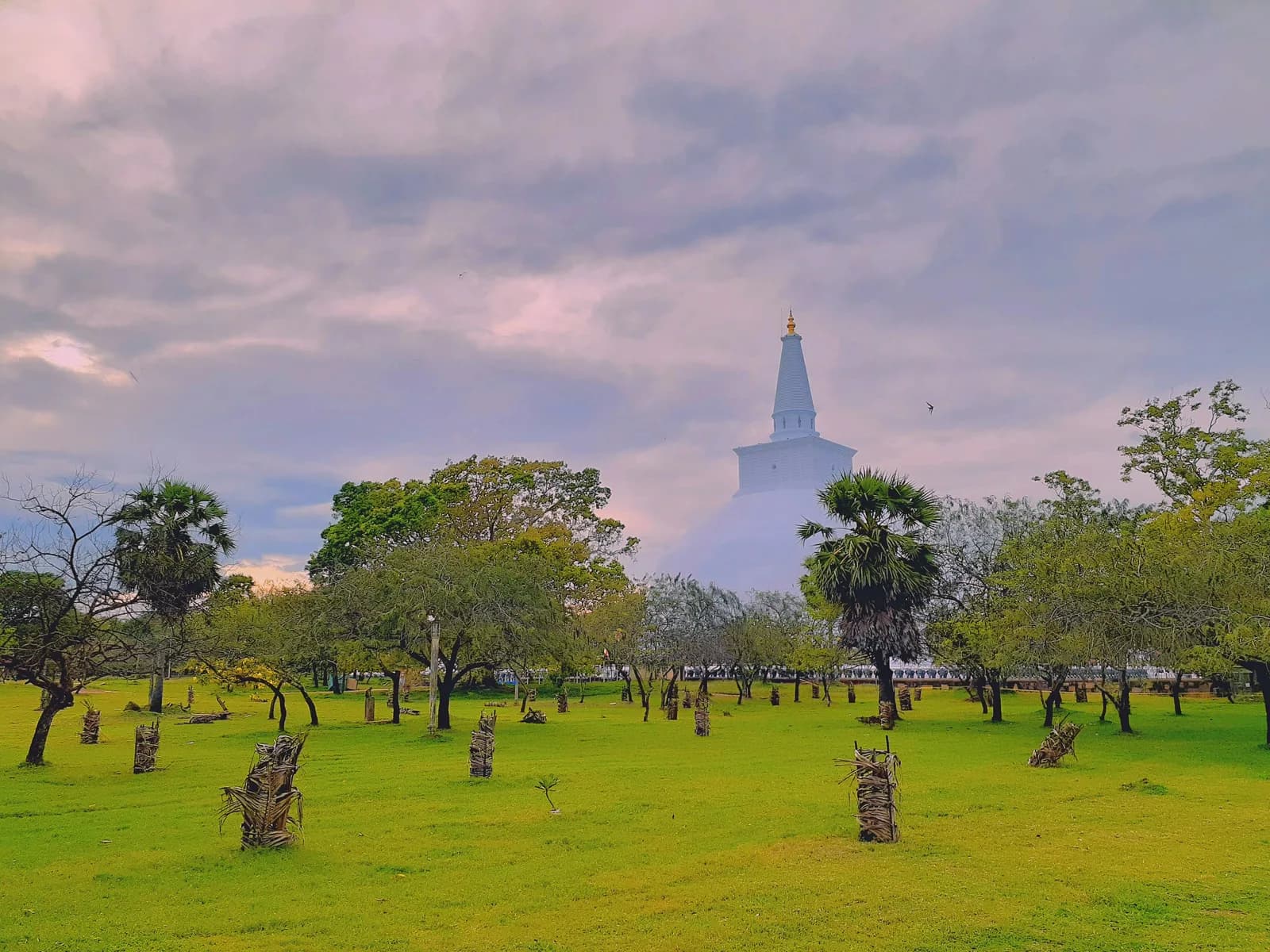
- Rankoth Vehera, the largest complete brick stupa in Polonnaruwa standing 55 metres tall
- The Gal Vihara (Rock Temple), featuring four colossal Buddha figures sculpted seamlessly from a single granite boulder
- The Lotus Pond (Nelum Pokuna), an eight-petaled terraced bathing pool carved in stone
What makes the Gal Vihara sculptures so world-renowned?
Carved during the reign of Parakramabahu the Great, Gal Vihara is considered the pinnacle of ancient Sri Lankan stone sculpture. All four statues were carved directly from one continuous ridge of gray granite.
The centerpiece is a 14-metre reclining Buddha depicting the Paranirvana (passing into final nirvana). The face radiates serene peace, with the right ear resting gracefully on a bolster and one foot slightly drawn back to signify that life has gently extinguished.
Why is cycling the best way to explore Polonnaruwa?
Unlike the vast distances of Anuradhapura, Polonnaruwa's key archaeological sites are connected by flat, shaded park roads that cover about 8 kilometres. Cycling between monuments lets you feel the breeze, pause wherever you like, and watch troops of toque macaques made famous by Disneynature's film 'Monkey Kingdom'.
For guests who prefer air conditioning, your private Zelenso vehicle travels with you throughout the complex, dropping you right at the entrance of each monument cluster.
Practical tips before you go
- Start your cycling tour before 9:00 AM to explore the stone monuments before the midday sun warms the paving stones.
- Wear slip-on shoes with socks, as you will need to remove footwear at the Sacred Quadrangle, Rankoth Vehera, and Gal Vihara.
- Pick up your park admission tickets and tour the air-conditioned archaeological museum first to understand the city's 3D layout.
- Bring a wide-brim hat, sunglasses, and sunscreen; your guide will provide chilled bottled water throughout.
Frequently asked questions
Can children cycle in Polonnaruwa?
Yes. Children's bicycles and adult bikes with child seats are available at the park entrance. Because the internal roads carry minimal traffic and have zero hill inclines, it is a safe and enjoyable family activity.
How does Polonnaruwa differ from Sigiriya and Anuradhapura?
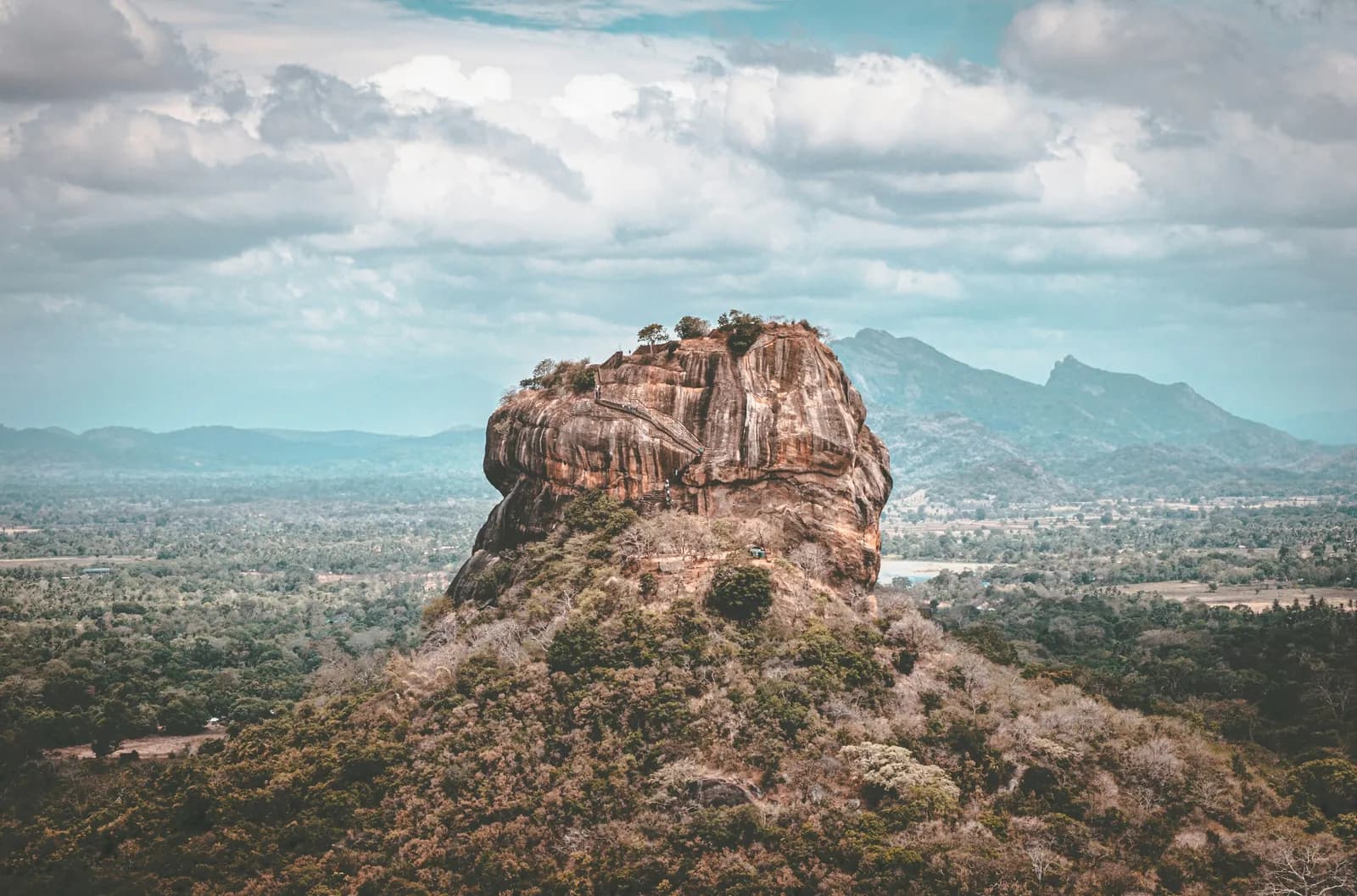
Sigiriya is a dramatic 5th-century royal fortress rock. Anuradhapura is a vast, 2,500-year-old sacred pilgrimage city. Polonnaruwa represents a later medieval chapter with compact, exceptionally preserved brick palaces and rock shrines that are much easier to explore on two wheels.
Year-round
Discover your next Sri Lanka adventure
From ancient sacred temples and misty tea highlands to serene golden sunsets, let our experts curate your perfect private island journey.