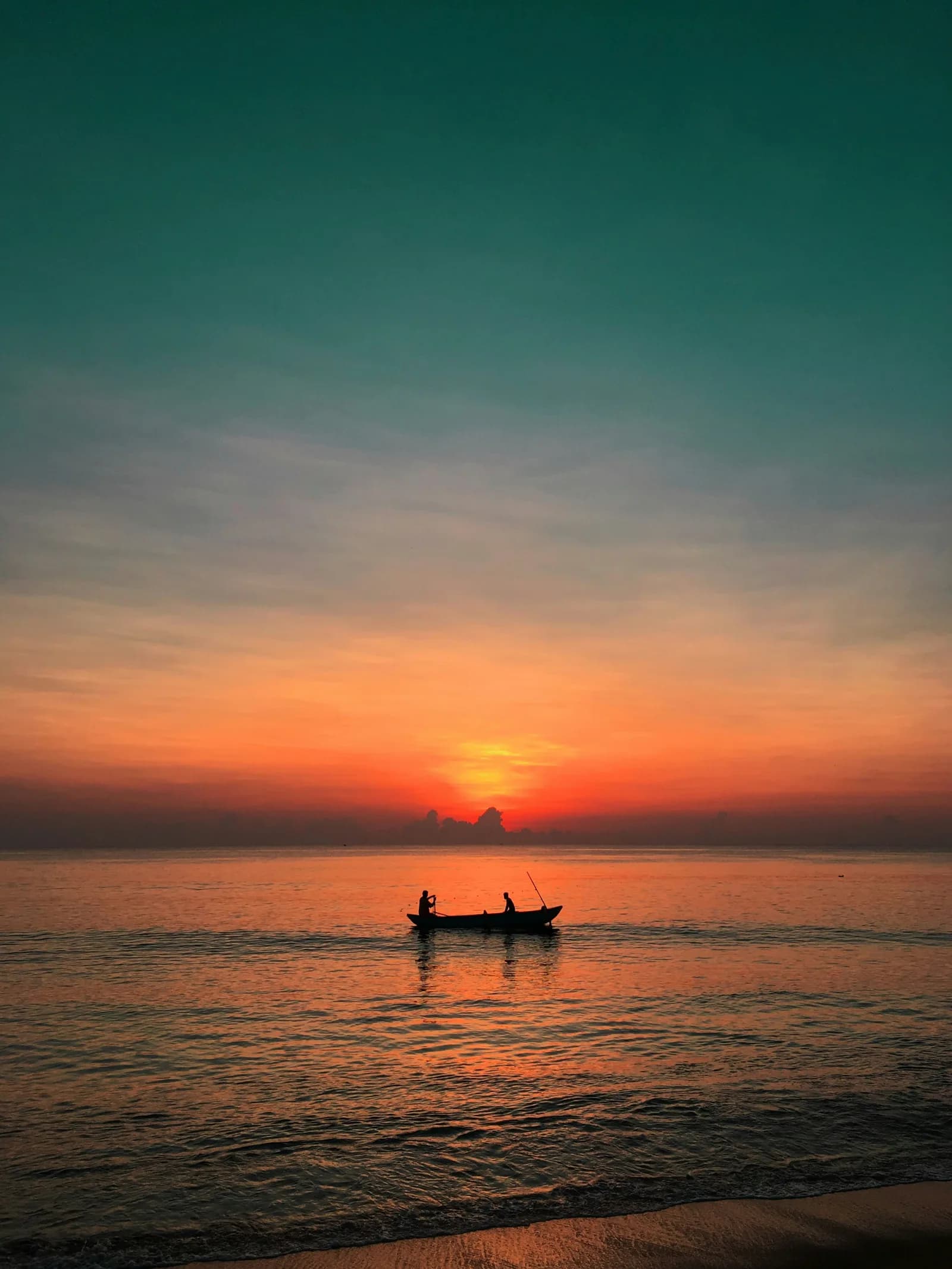
Wilpattu National Park Wilderness Jeep Safari
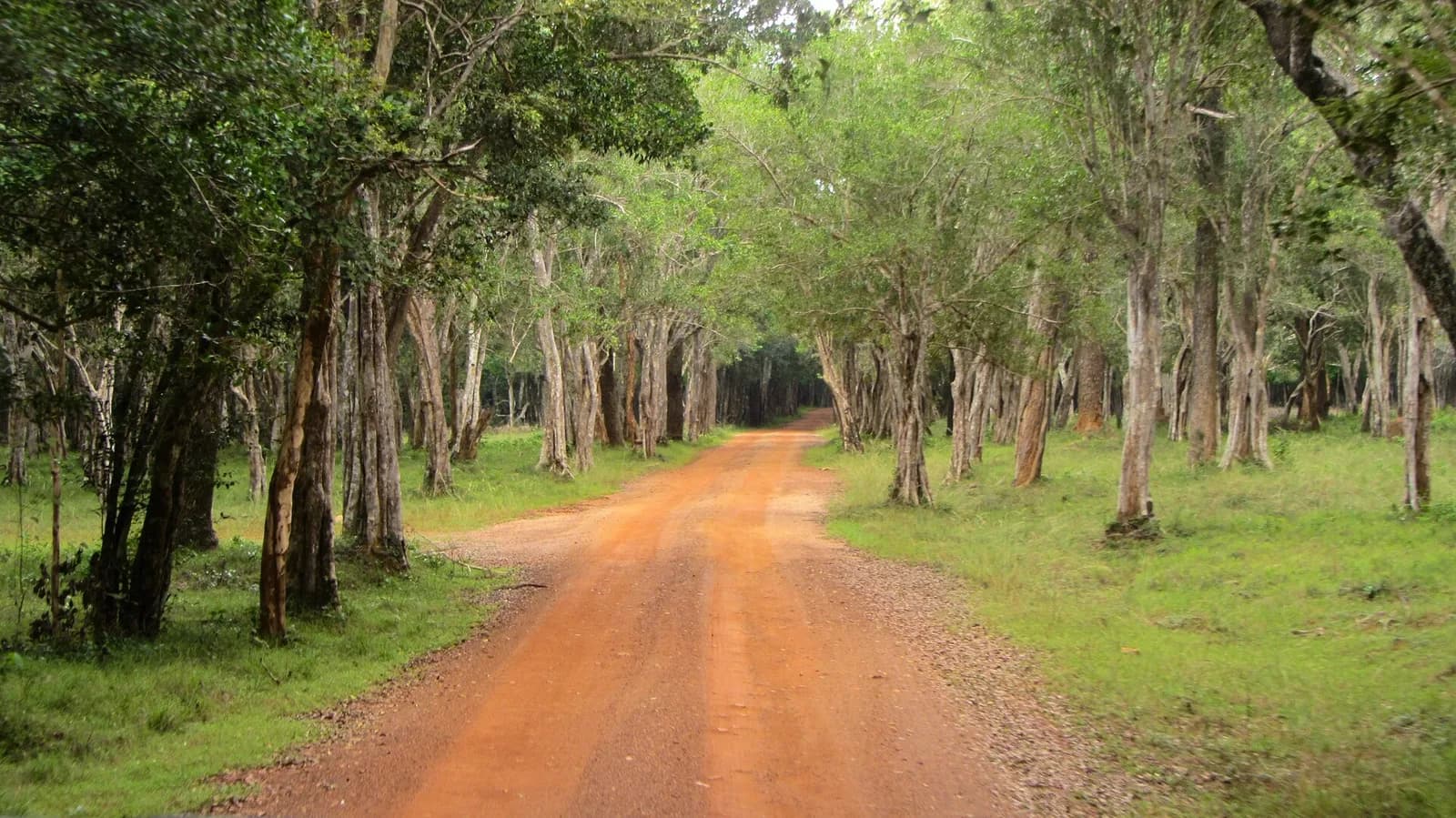
Wilpattu National Park is Sri Lanka's largest and oldest protected wildlife reserve, spanning over 130,000 hectares of dry-zone forest. Characterized by nearly 60 natural rainwater lakes called 'villus' fringed by pure white sands, Wilpattu offers uncrowded private safaris with prime sightings of Sri Lankan leopards, sloth bears, Asian elephants, and spotted deer.
- Location
- 30 km west of Anuradhapura (North Western / North Central)
- Park Size
- 1,317 sq km (131,693 hectares — Sri Lanka's largest)
- Geological Feature
- Nearly 60 natural sand-rimmed depressions (Villus)
- Apex Predator
- Sri Lankan Leopard (Panthera pardus kotiya)
What makes Wilpattu different from Yala National Park?
While Yala is world-famous for leopard density, it can experience high jeep traffic in peak months. Wilpattu, by contrast, is a vast, tranquil wilderness where you can often spend hours tracking wildlife without encountering another vehicle. Its dense, tall forest canopy and tranquil sandy clearings create a far more immersive, authentic safari ambiance.
The signature 'villus'—natural depressions that collect seasonal rainwater and are rimmed by white quartz sands—act as animal magnets during the dry season, providing stunning open stages for wildlife observation.
What wildlife can you expect to encounter?
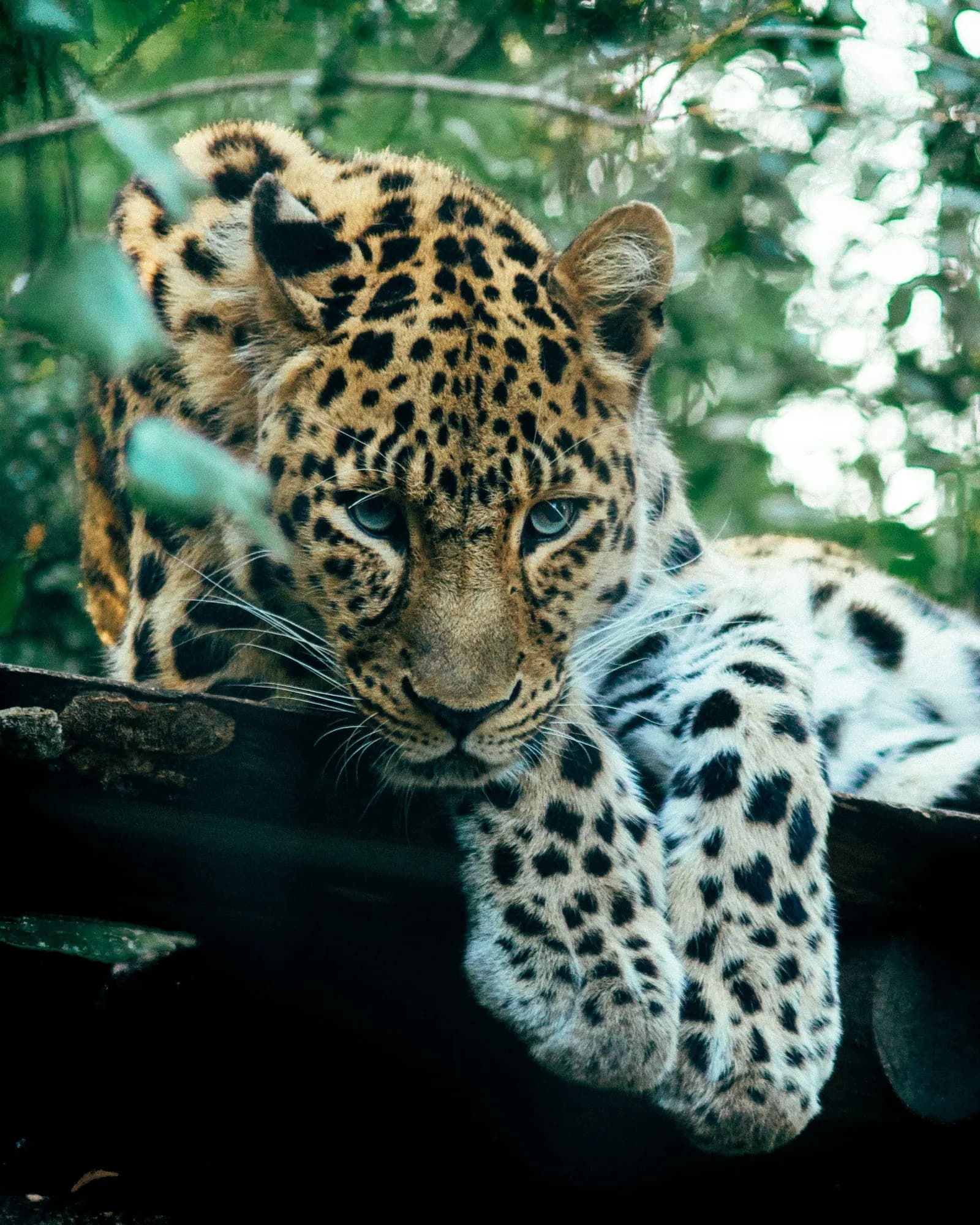
Wilpattu is one of the premier sanctuaries in Asia for the elusive Sri Lankan Sloth Bear, often seen foraging for termites or feeding on fallen Palu fruit in May and June. Leopards are frequently spotted resting on tree branches or drinking quietly at secluded villu margins.
Birdlife is extraordinarily rich, with crested serpent eagles, brown fish owls, white-bellied sea eagles, Malabar pied hornbills, and flocks of painted storks stalking the wetlands.
Practical tips before you go
- A full-day safari with a packed picnic lunch allows deep exploration of the remote inner villus where wildlife is most undisturbed.
- Bring binoculars, camera lenses with 300mm+ reach, and clothing in neutral earth tones (khakis, greens, browns).
- The park entrance near Hunuwilgama is easily accessible from Anuradhapura (45 minutes) or Kalpitiya (1.5 hours).
- Morning safaris departing at 06:00 AM provide the best light and highest probability of catching predators on the move.
Frequently asked questions
When is the best time of year for a Wilpattu safari?
February to October represents the dry period when wildlife concentrates around permanent villus. May and June are particularly celebrated for sloth bear sightings during the Palu fruiting season.
Are leopard sightings guaranteed in Wilpattu?
While wild animals roam freely and sightings cannot be 100% guaranteed, Wilpattu has a healthy, thriving leopard population. With experienced private naturalists, chances of sighting leopards and bears across a full-day safari are very high.
February – October (year-round accessibility)
Discover your next Sri Lanka adventure
From ancient sacred temples and misty tea highlands to serene golden sunsets, let our experts curate your perfect private island journey.